
Device
Best Smartwatch for Sleep Tracking in 2026
Best Smartwatch for Sleep Tracking in 2026

What Makes a Smartwatch Good at Sleep Tracking?
Not every smartwatch tracks sleep the same way. The difference between a watch that just logs your hours and one that gives you actionable data on your sleep stages, HRV, and recovery score is significant. The best smart watch for sleep tracking goes beyond basic sensing and gives you information you can actually use the next morning.
We tested five watches across different price points and platforms, evaluating sleep stage accuracy, app quality, battery life, and how comfortable each is to wear at night. The results cover a range from budget picks to premium options, and we've verified all pricing directly from manufacturer pages.
Key Takeaways
Apple Watch Series 12 is the best option for iPhone users, with the most polished sleep app and tight integration with the Health ecosystem.
Garmin Vivoactive 6 wins on battery life. It can track sleep for two weeks without charging, unlike Apple and Google options that need nightly charging.
Fitbit Sense 2 produces the most detailed sleep breakdown at the best price, including skin temperature variation and daily readiness scores.
Quick Guide: Best Smartwatches for Sleep Tracking
Apple Watch Series 12 (from $399) - Best overall for iPhone users
Google Pixel Watch 4 (from $349.99) - Best for Android users
Garmin Vivoactive 6 ($294) - Best battery life, best for fitness-focused sleepers
Fitbit Sense 2 ($249.95) - Best detailed sleep stages at mid-range price
Apple Watch SE 3 (from $249) - Best budget Apple option
1. Apple Watch Series 12: Best Overall for iPhone Users
The sleep tracker that lives in the Apple ecosystem.
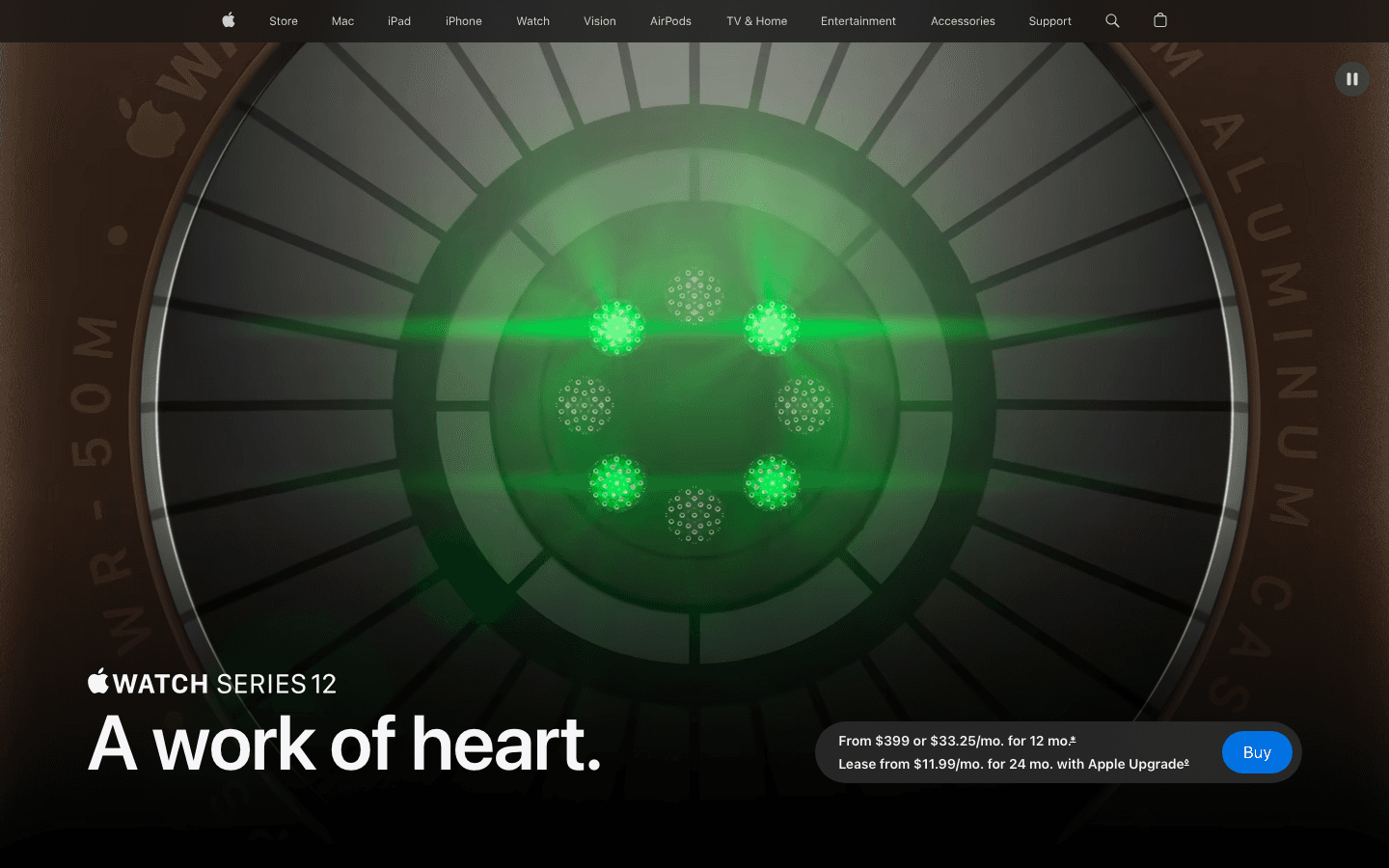
Apple Watch Series 12 tracks sleep stages (REM, Core, Deep), heart rate, blood oxygen, and respiratory rate throughout the night. The data feeds directly into the Apple Health app, which ties your sleep trends to your activity, mindfulness minutes, and calorie data in a unified picture. If you already use an iPhone and AirPods, the integration is unmatched.
The watch needs to be charged daily, which means most users charge during their morning routine. Battery typically lasts 18-22 hours with sleep tracking enabled. The on-device Sleep app is clean and the coaching recommendations (go to bed at this time, you're 23% below your sleep goal this week) are genuinely useful.
Tracks: sleep stages, heart rate, blood oxygen, respiratory rate, temperature sensing
App: Apple Health + Sleep app (iOS only)
Battery: ~18-22 hours with sleep tracking
Comfort: 41mm or 45mm case; comfortable overnight for most wrists
Pricing: From $399. Available at apple.com.
Best for: iPhone users who want the most polished sleep experience and full Apple Health integration.
2. Google Pixel Watch 4: Best for Android Users
The Fitbit platform in a smartwatch body.
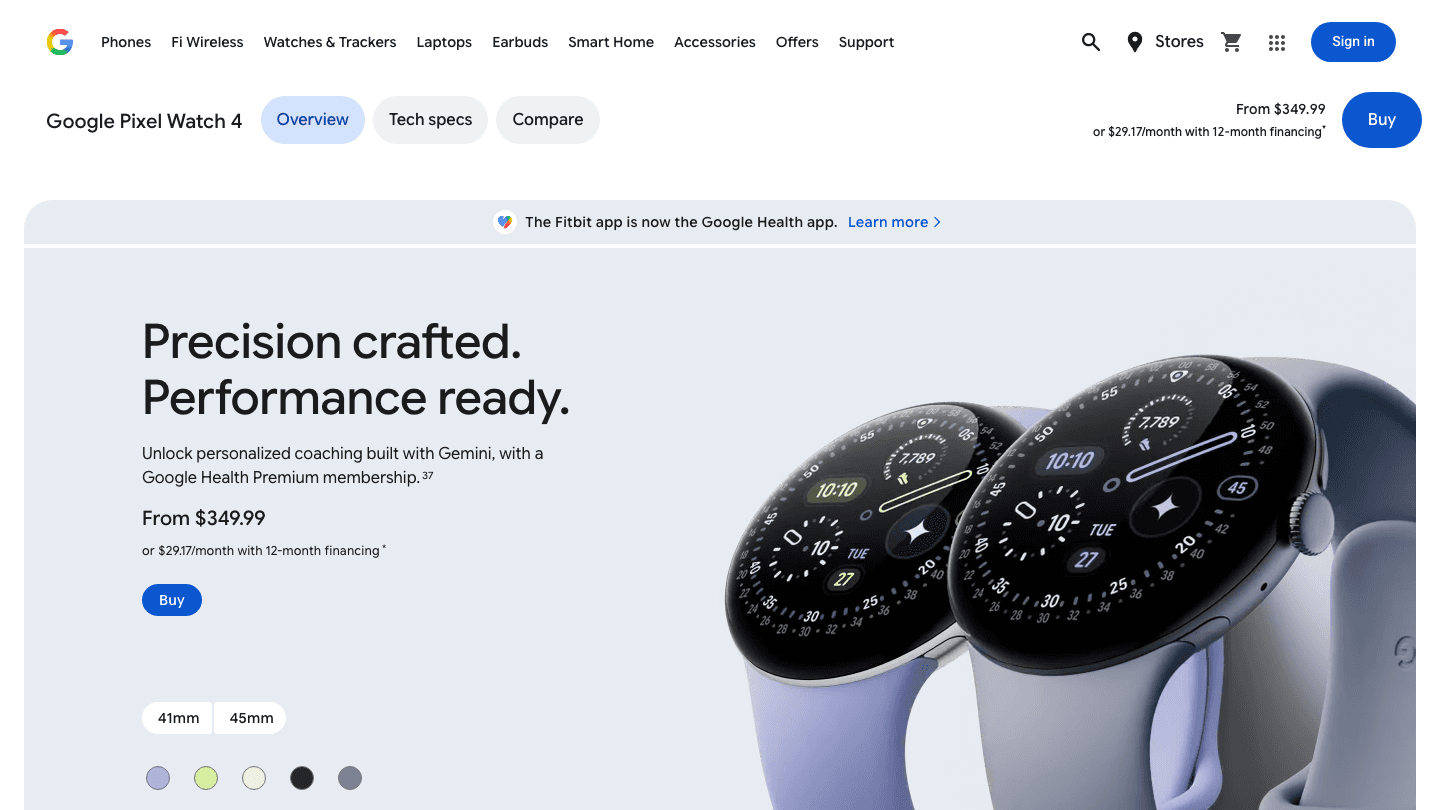
Pixel Watch 4 combines Google's Fitbit sleep algorithm with a full smartwatch form factor. Fitbit's sleep tracking has been best-in-class for years, measuring time in each sleep stage, estimated oxygen variation, and heart rate variability. The watch also generates a Daily Readiness Score that factors in sleep quality, recent activity, and HRV recovery. That score tells you whether today is a push day or a recovery day.
For Android users, this is the clear first choice. It pairs natively with Pixel phones but works with any Android device. Battery lasts about 24 hours with always-on display disabled, which is enough for a day plus overnight tracking.
Tracks: sleep stages, HRV, estimated blood oxygen, skin temperature, daily readiness score
App: Fitbit (Android and iOS)
Battery: ~24 hours (AOD off)
Fitbit Premium: $9.99/month or $79.99/year for advanced insights (optional)
Pricing: From $349.99. Available at store.google.com.
Best for: Android users who want Fitbit's sleep analysis in a proper smartwatch.
3. Garmin Vivoactive 6: Best Battery Life
Sleep tracking for people who never want to think about charging.
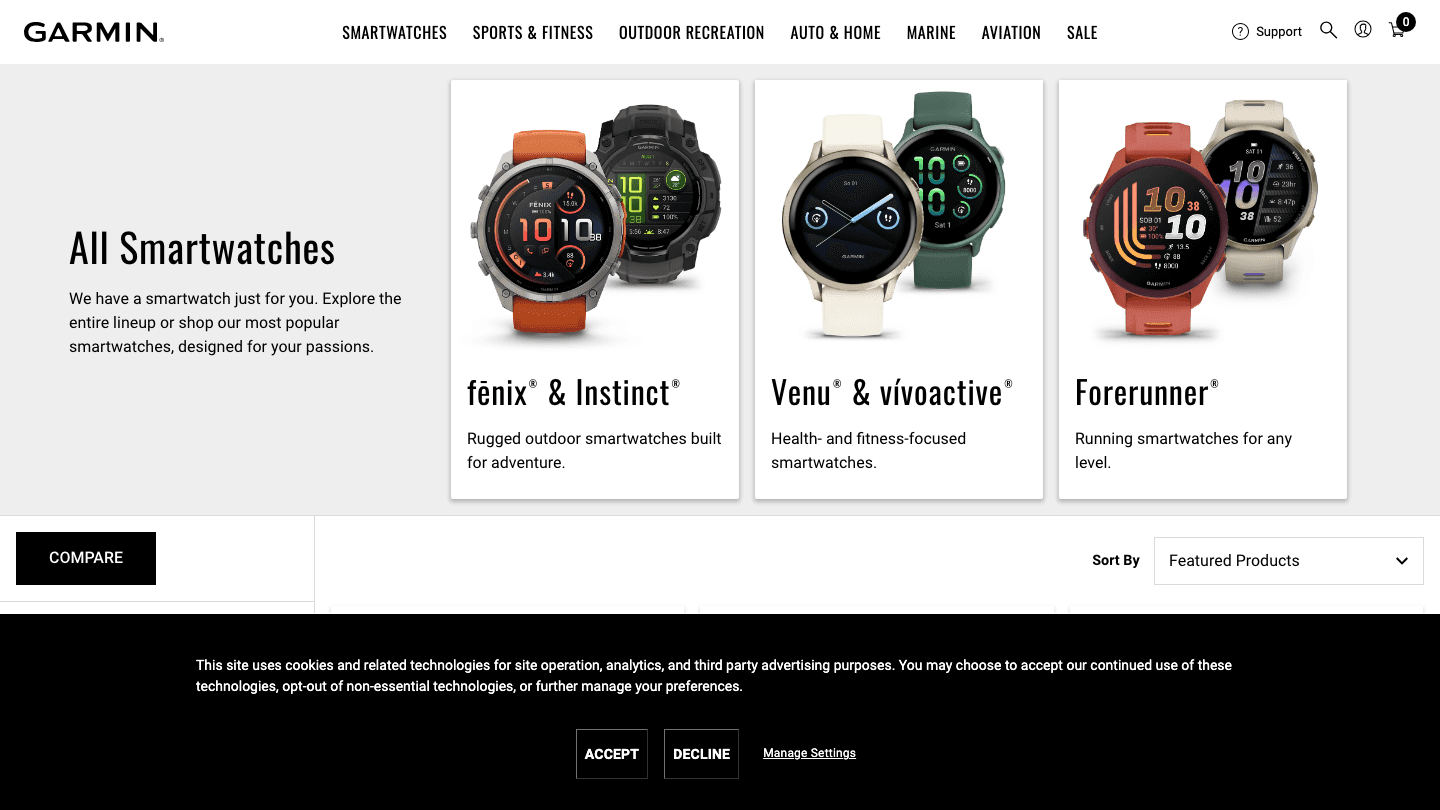
The Garmin Vivoactive 6 is the watch for people who forget to charge. Battery life runs up to two weeks in smartwatch mode and around 7-10 days with GPS active. That means you can wear it 24/7 for a week without thinking about charging at all, which is a major advantage for sleep tracking consistency.
Garmin's sleep analysis covers sleep stages, HRV status, Body Battery (a proprietary energy score), and Pulse Ox. The Body Battery metric is particularly useful. It shows how recovered you are at any point in the day and how your sleep contributed to or drained that score. Athletes and outdoor enthusiasts will find Garmin's tracking significantly more actionable than Apple or Fitbit for athletic recovery.
Tracks: sleep stages, HRV, Pulse Ox, Body Battery energy score, respiration
App: Garmin Connect (iOS and Android)
Battery: up to 14 days in smartwatch mode
No subscription required for any sleep data
Pricing: $294. Available at garmin.com.
Best for: Fitness-focused users, travelers, and anyone who wants weeks of sleep tracking without daily charging.
4. Google Fitbit Sense 2: Best Detailed Sleep Stages
The most thorough sleep breakdown at a mid-range price.
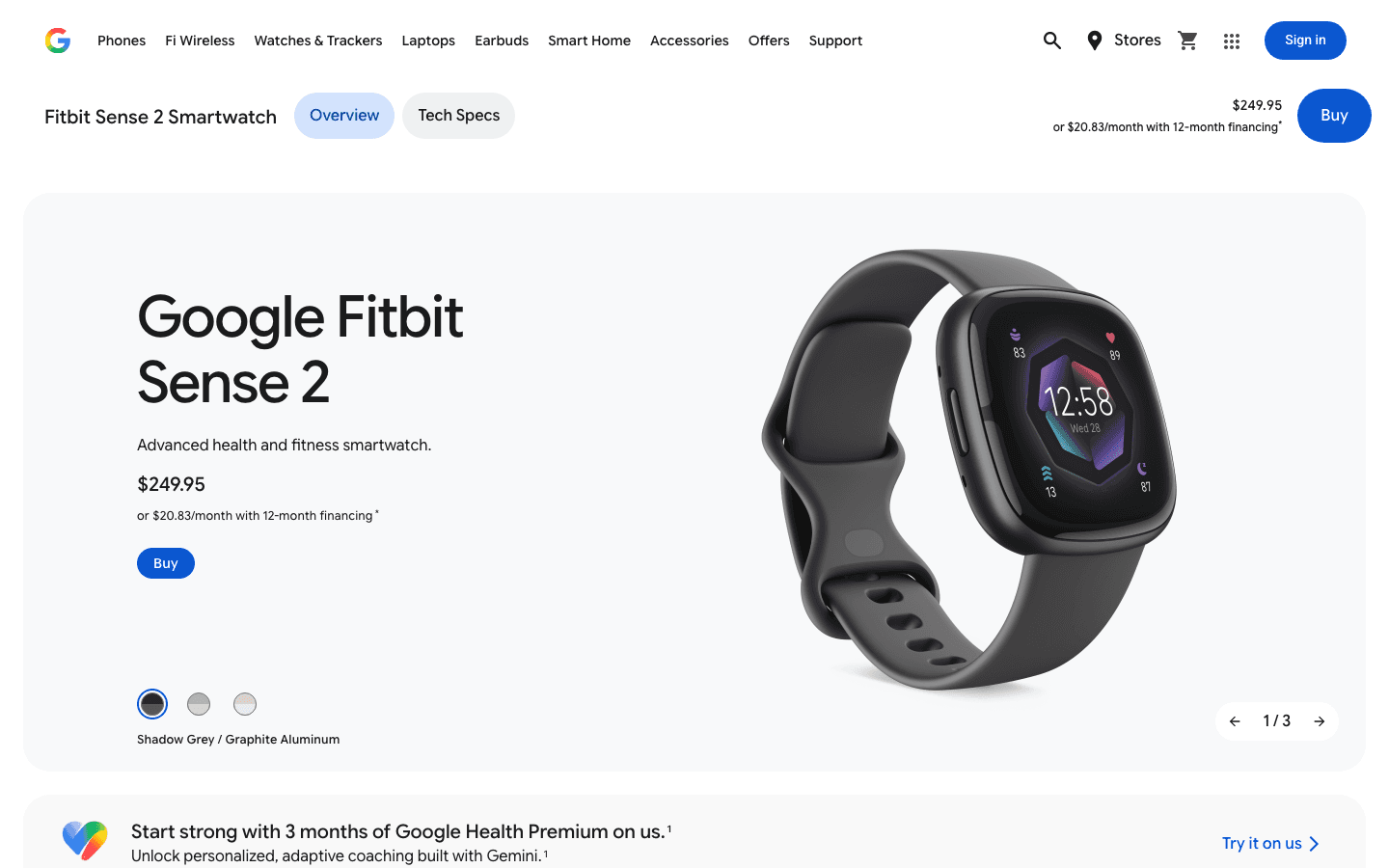
The Fitbit Sense 2 was built with sleep as its primary health feature. It tracks sleep stages, estimated blood oxygen variation, heart rate variability, skin temperature deviation, and produces a nightly Sleep Score out of 100 that summarizes everything in one digestible number. The Sense 2 also has continuous EDA (electrodermal activity) sensing for stress tracking, which feeds into your stress management score alongside sleep quality.
Battery life runs 6-7 days, much better than Apple Watch. The watch is lighter and thinner than most competitors, which makes overnight wearing genuinely comfortable. You don't need Fitbit Premium to see sleep stages, but Premium ($9.99/month) unlocks the daily readiness score, guided programs, and six months of sleep history.
Tracks: sleep stages, blood oxygen, HRV, skin temperature, stress score, sleep score
App: Fitbit (iOS and Android)
Battery: 6-7 days
Subscription: Fitbit Premium optional at $9.99/month or $79.99/year
Pricing: $249.95. Available at store.google.com.
Best for: Anyone who wants maximum sleep detail at a sub-$250 price point, especially if you also care about stress tracking.
5. Apple Watch SE 3: Best Budget Apple Option
Apple Watch sleep tracking without the Series 12 price tag.
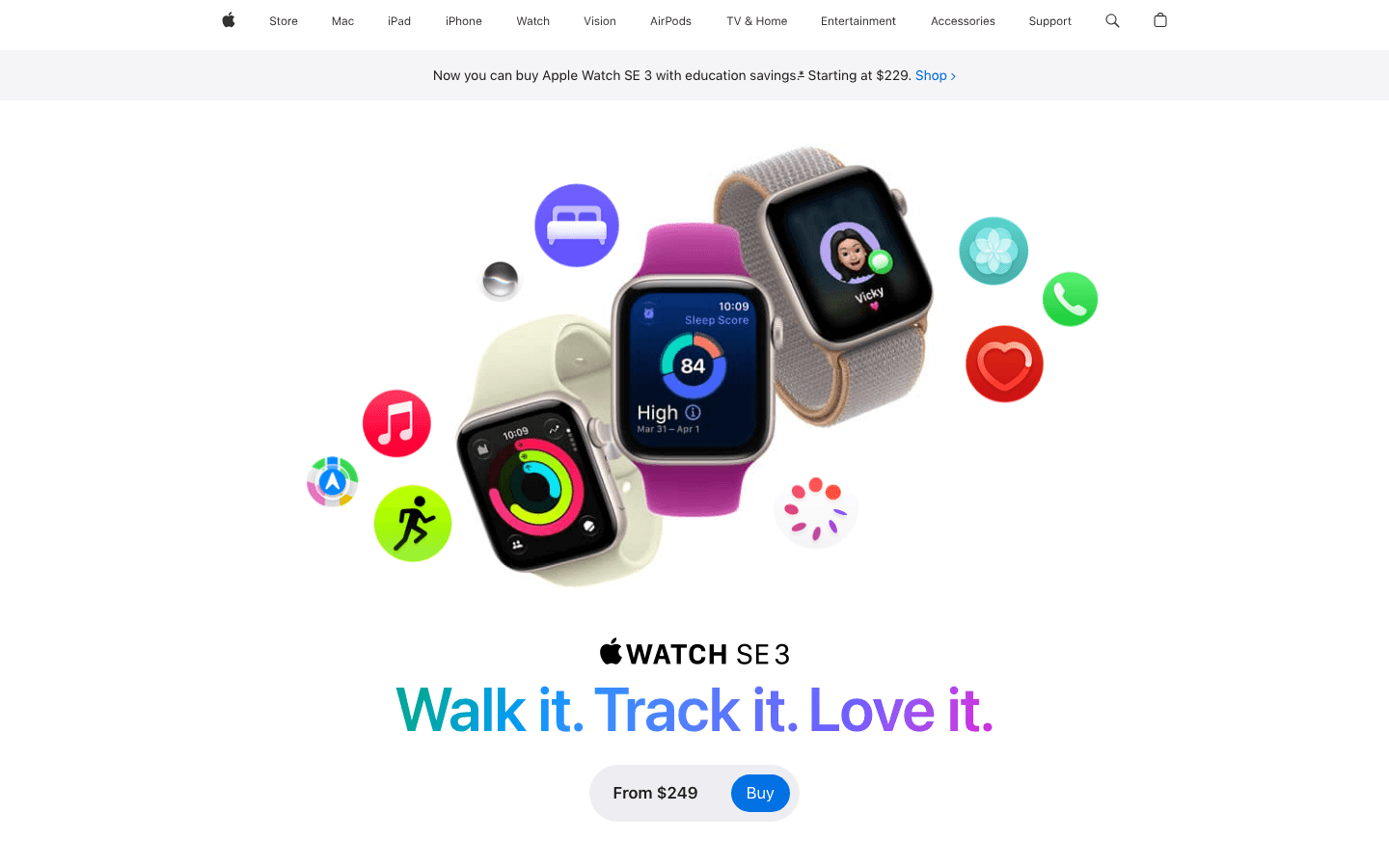
If you want Apple's sleep tracking ecosystem but can't justify $399, the Apple Watch SE 3 delivers the same core sleep features at $249. You get sleep stage tracking, heart rate monitoring during sleep, and full Apple Health integration. What you miss compared to Series 12: blood oxygen tracking, temperature sensing, and the larger always-on display.
For most sleep tracking purposes, the SE 3 is more than enough. Sleep stages, heart rate, and the Sleep app work identically to the premium models. Battery life is similar: plan to charge it every morning.
Tracks: sleep stages, heart rate (no blood oxygen or temperature sensing)
App: Apple Health + Sleep app (iOS only)
Battery: ~18 hours
Missing vs Series 12: blood oxygen, skin temperature, always-on display
Pricing: From $249. Available at apple.com.
Best for: iPhone users who want solid sleep tracking at a lower price and don't need the advanced health sensors.
Best App to Pair With Your Sleep Tracker
A sleep tracking watch tells you how you slept. What you do with that data the next morning is where most people leave value on the table. Pairing your watch with a solid morning routine and a planner that adapts to your energy is where it clicks.

Lifestack is an AI-powered planner that reads your energy levels and schedules your work around them. If you slept poorly last night and your HRV is low, Lifestack adjusts your day so deep focus work gets scheduled when you're more likely to have energy, and lighter tasks fill the slots where you'd normally crash. It's energy-based scheduling applied to real calendar blocks.
The result: your sleep data stops being something you look at once a morning and starts driving how your whole day is structured. Lifestack starts at $7/month or $50/year with a 7-day free trial. Available on iOS and Android.
Which Smartwatch for Sleep Tracking Is Right for You?
iPhone user who wants the best experience: Apple Watch Series 12 ($399)
Android user who wants the best experience: Google Pixel Watch 4 ($349.99)
Want to charge your watch once every two weeks: Garmin Vivoactive 6 ($294)
Want the most detailed sleep data without spending $400: Fitbit Sense 2 ($249.95)
Want Apple Watch sleep tracking on a budget: Apple Watch SE 3 ($249)
FAQ
What is the best smart watch for sleep tracking?
The best smart watch for sleep tracking depends on your phone and priorities. For iPhone users, Apple Watch Series 12 ($399) integrates best with the Apple Health ecosystem. For Android users, Google Pixel Watch 4 ($349.99) offers Fitbit's detailed sleep analysis. For battery life above all else, Garmin Vivoactive 6 ($294) runs up to two weeks between charges.
Does Apple Watch track sleep stages?
Yes. Apple Watch Series 12 and SE 3 both track REM, Core, and Deep sleep stages. The data appears in the Sleep section of the Apple Health app. Series 12 also adds skin temperature sensing for additional sleep quality signals. The watch needs to be charged daily, so most users charge during their morning routine.
Is Fitbit or Garmin better for sleep tracking?
Fitbit Sense 2 produces more detailed nightly sleep breakdowns, including a Sleep Score, daily readiness score, and skin temperature variation. Garmin wins on battery life and athletic recovery context, particularly the Body Battery metric that shows how your sleep translated into usable energy for the day. Fitbit is better for sleep-focused users; Garmin is better for athletes who want recovery data alongside sleep.
How accurate is smartwatch sleep tracking?
Smartwatch sleep stage tracking is directionally accurate but not clinical-grade. Wrist-based optical sensors estimate sleep stages by combining heart rate, movement, and sometimes blood oxygen and skin temperature. Studies comparing wearable sleep trackers against polysomnography (lab sleep studies) show moderate accuracy for light vs. deep vs. REM detection. The value is in trends over time, not precise nightly stage percentages.
Do I need a subscription for sleep tracking features?
Apple Watch, Garmin, and the base Fitbit sleep stages require no subscription. Fitbit Premium ($9.99/month or $79.99/year) unlocks the daily readiness score, advanced sleep analysis, and guided programs. Garmin has no subscription tier for health data. Apple Watch sleep features are free with the Apple Health app.
Can a smartwatch improve my sleep?
Not directly, but the awareness effect is real. People who track their sleep score tend to go to bed more consistently and make better pre-sleep decisions over time. Pair the data with a morning planning habit using an app like Lifestack and your sleep data starts shaping your actual schedule, not just your awareness of it.
What Makes a Smartwatch Good at Sleep Tracking?
Not every smartwatch tracks sleep the same way. The difference between a watch that just logs your hours and one that gives you actionable data on your sleep stages, HRV, and recovery score is significant. The best smart watch for sleep tracking goes beyond basic sensing and gives you information you can actually use the next morning.
We tested five watches across different price points and platforms, evaluating sleep stage accuracy, app quality, battery life, and how comfortable each is to wear at night. The results cover a range from budget picks to premium options, and we've verified all pricing directly from manufacturer pages.
Key Takeaways
Apple Watch Series 12 is the best option for iPhone users, with the most polished sleep app and tight integration with the Health ecosystem.
Garmin Vivoactive 6 wins on battery life. It can track sleep for two weeks without charging, unlike Apple and Google options that need nightly charging.
Fitbit Sense 2 produces the most detailed sleep breakdown at the best price, including skin temperature variation and daily readiness scores.
Quick Guide: Best Smartwatches for Sleep Tracking
Apple Watch Series 12 (from $399) - Best overall for iPhone users
Google Pixel Watch 4 (from $349.99) - Best for Android users
Garmin Vivoactive 6 ($294) - Best battery life, best for fitness-focused sleepers
Fitbit Sense 2 ($249.95) - Best detailed sleep stages at mid-range price
Apple Watch SE 3 (from $249) - Best budget Apple option
1. Apple Watch Series 12: Best Overall for iPhone Users
The sleep tracker that lives in the Apple ecosystem.
Apple Watch Series 12 tracks sleep stages (REM, Core, Deep), heart rate, blood oxygen, and respiratory rate throughout the night. The data feeds directly into the Apple Health app, which ties your sleep trends to your activity, mindfulness minutes, and calorie data in a unified picture. If you already use an iPhone and AirPods, the integration is unmatched.
The watch needs to be charged daily, which means most users charge during their morning routine. Battery typically lasts 18-22 hours with sleep tracking enabled. The on-device Sleep app is clean and the coaching recommendations (go to bed at this time, you're 23% below your sleep goal this week) are genuinely useful.
Tracks: sleep stages, heart rate, blood oxygen, respiratory rate, temperature sensing
App: Apple Health + Sleep app (iOS only)
Battery: ~18-22 hours with sleep tracking
Comfort: 41mm or 45mm case; comfortable overnight for most wrists
Pricing: From $399. Available at apple.com.
Best for: iPhone users who want the most polished sleep experience and full Apple Health integration.
2. Google Pixel Watch 4: Best for Android Users
The Fitbit platform in a smartwatch body.
Pixel Watch 4 combines Google's Fitbit sleep algorithm with a full smartwatch form factor. Fitbit's sleep tracking has been best-in-class for years, measuring time in each sleep stage, estimated oxygen variation, and heart rate variability. The watch also generates a Daily Readiness Score that factors in sleep quality, recent activity, and HRV recovery. That score tells you whether today is a push day or a recovery day.
For Android users, this is the clear first choice. It pairs natively with Pixel phones but works with any Android device. Battery lasts about 24 hours with always-on display disabled, which is enough for a day plus overnight tracking.
Tracks: sleep stages, HRV, estimated blood oxygen, skin temperature, daily readiness score
App: Fitbit (Android and iOS)
Battery: ~24 hours (AOD off)
Fitbit Premium: $9.99/month or $79.99/year for advanced insights (optional)
Pricing: From $349.99. Available at store.google.com.
Best for: Android users who want Fitbit's sleep analysis in a proper smartwatch.
3. Garmin Vivoactive 6: Best Battery Life
Sleep tracking for people who never want to think about charging.
The Garmin Vivoactive 6 is the watch for people who forget to charge. Battery life runs up to two weeks in smartwatch mode and around 7-10 days with GPS active. That means you can wear it 24/7 for a week without thinking about charging at all, which is a major advantage for sleep tracking consistency.
Garmin's sleep analysis covers sleep stages, HRV status, Body Battery (a proprietary energy score), and Pulse Ox. The Body Battery metric is particularly useful. It shows how recovered you are at any point in the day and how your sleep contributed to or drained that score. Athletes and outdoor enthusiasts will find Garmin's tracking significantly more actionable than Apple or Fitbit for athletic recovery.
Tracks: sleep stages, HRV, Pulse Ox, Body Battery energy score, respiration
App: Garmin Connect (iOS and Android)
Battery: up to 14 days in smartwatch mode
No subscription required for any sleep data
Pricing: $294. Available at garmin.com.
Best for: Fitness-focused users, travelers, and anyone who wants weeks of sleep tracking without daily charging.
4. Google Fitbit Sense 2: Best Detailed Sleep Stages
The most thorough sleep breakdown at a mid-range price.
The Fitbit Sense 2 was built with sleep as its primary health feature. It tracks sleep stages, estimated blood oxygen variation, heart rate variability, skin temperature deviation, and produces a nightly Sleep Score out of 100 that summarizes everything in one digestible number. The Sense 2 also has continuous EDA (electrodermal activity) sensing for stress tracking, which feeds into your stress management score alongside sleep quality.
Battery life runs 6-7 days, much better than Apple Watch. The watch is lighter and thinner than most competitors, which makes overnight wearing genuinely comfortable. You don't need Fitbit Premium to see sleep stages, but Premium ($9.99/month) unlocks the daily readiness score, guided programs, and six months of sleep history.
Tracks: sleep stages, blood oxygen, HRV, skin temperature, stress score, sleep score
App: Fitbit (iOS and Android)
Battery: 6-7 days
Subscription: Fitbit Premium optional at $9.99/month or $79.99/year
Pricing: $249.95. Available at store.google.com.
Best for: Anyone who wants maximum sleep detail at a sub-$250 price point, especially if you also care about stress tracking.
5. Apple Watch SE 3: Best Budget Apple Option
Apple Watch sleep tracking without the Series 12 price tag.
If you want Apple's sleep tracking ecosystem but can't justify $399, the Apple Watch SE 3 delivers the same core sleep features at $249. You get sleep stage tracking, heart rate monitoring during sleep, and full Apple Health integration. What you miss compared to Series 12: blood oxygen tracking, temperature sensing, and the larger always-on display.
For most sleep tracking purposes, the SE 3 is more than enough. Sleep stages, heart rate, and the Sleep app work identically to the premium models. Battery life is similar: plan to charge it every morning.
Tracks: sleep stages, heart rate (no blood oxygen or temperature sensing)
App: Apple Health + Sleep app (iOS only)
Battery: ~18 hours
Missing vs Series 12: blood oxygen, skin temperature, always-on display
Pricing: From $249. Available at apple.com.
Best for: iPhone users who want solid sleep tracking at a lower price and don't need the advanced health sensors.
Best App to Pair With Your Sleep Tracker
A sleep tracking watch tells you how you slept. What you do with that data the next morning is where most people leave value on the table. Pairing your watch with a solid morning routine and a planner that adapts to your energy is where it clicks.
Lifestack is an AI-powered planner that reads your energy levels and schedules your work around them. If you slept poorly last night and your HRV is low, Lifestack adjusts your day so deep focus work gets scheduled when you're more likely to have energy, and lighter tasks fill the slots where you'd normally crash. It's energy-based scheduling applied to real calendar blocks.
The result: your sleep data stops being something you look at once a morning and starts driving how your whole day is structured. Lifestack starts at $7/month or $50/year with a 7-day free trial. Available on iOS and Android.
Which Smartwatch for Sleep Tracking Is Right for You?
iPhone user who wants the best experience: Apple Watch Series 12 ($399)
Android user who wants the best experience: Google Pixel Watch 4 ($349.99)
Want to charge your watch once every two weeks: Garmin Vivoactive 6 ($294)
Want the most detailed sleep data without spending $400: Fitbit Sense 2 ($249.95)
Want Apple Watch sleep tracking on a budget: Apple Watch SE 3 ($249)
FAQ
What is the best smart watch for sleep tracking?
The best smart watch for sleep tracking depends on your phone and priorities. For iPhone users, Apple Watch Series 12 ($399) integrates best with the Apple Health ecosystem. For Android users, Google Pixel Watch 4 ($349.99) offers Fitbit's detailed sleep analysis. For battery life above all else, Garmin Vivoactive 6 ($294) runs up to two weeks between charges.
Does Apple Watch track sleep stages?
Yes. Apple Watch Series 12 and SE 3 both track REM, Core, and Deep sleep stages. The data appears in the Sleep section of the Apple Health app. Series 12 also adds skin temperature sensing for additional sleep quality signals. The watch needs to be charged daily, so most users charge during their morning routine.
Is Fitbit or Garmin better for sleep tracking?
Fitbit Sense 2 produces more detailed nightly sleep breakdowns, including a Sleep Score, daily readiness score, and skin temperature variation. Garmin wins on battery life and athletic recovery context, particularly the Body Battery metric that shows how your sleep translated into usable energy for the day. Fitbit is better for sleep-focused users; Garmin is better for athletes who want recovery data alongside sleep.
How accurate is smartwatch sleep tracking?
Smartwatch sleep stage tracking is directionally accurate but not clinical-grade. Wrist-based optical sensors estimate sleep stages by combining heart rate, movement, and sometimes blood oxygen and skin temperature. Studies comparing wearable sleep trackers against polysomnography (lab sleep studies) show moderate accuracy for light vs. deep vs. REM detection. The value is in trends over time, not precise nightly stage percentages.
Do I need a subscription for sleep tracking features?
Apple Watch, Garmin, and the base Fitbit sleep stages require no subscription. Fitbit Premium ($9.99/month or $79.99/year) unlocks the daily readiness score, advanced sleep analysis, and guided programs. Garmin has no subscription tier for health data. Apple Watch sleep features are free with the Apple Health app.
Can a smartwatch improve my sleep?
Not directly, but the awareness effect is real. People who track their sleep score tend to go to bed more consistently and make better pre-sleep decisions over time. Pair the data with a morning planning habit using an app like Lifestack and your sleep data starts shaping your actual schedule, not just your awareness of it.



FOLLOW ON
FOLLOW ON
FOLLOW ON


Copyright 2026 © Lifestack. All rights reserved
Copyright 2026 © Lifestack. All rights reserved

