
Device
Garmin vs Fitbit: Which Fitness Tracker Is Right for You?
Garmin vs Fitbit: Which Fitness Tracker Is Right for You?

Garmin and Fitbit take fundamentally different approaches to fitness tracking. Garmin builds devices for athletes, trail runners, triathletes, and anyone who spends time outdoors and wants serious training data. Fitbit builds devices for people who want to stay healthy, sleep better, and understand their body without becoming a data analyst.
Both platforms track heart rate, steps, and sleep. After that, they diverge sharply. A Garmin Fenix 8 can guide you through a trail run, analyze your training load, and estimate your marathon time. A Fitbit Inspire 3 shows your step streak and reminds you to move. Same product category, completely different audience.
Price is another major dividing line. Fitbit starts at $99.99. Garmin's lineup starts around $179 for the Vivoactive 5 and climbs past $800 for the Fenix 8. Both platforms work with Android and iPhone.
We compared both platforms across battery life, health features, app ecosystems, training tools, and daily usability to help you figure out which one fits your actual life.
Key Takeaways
Garmin is the better pick for athletes, runners, and outdoor enthusiasts who want GPS accuracy, VO2 max tracking, and advanced training metrics
Fitbit wins for budget shoppers and everyday health users who want simple tracking, solid sleep data, and minimal setup complexity
Both work with Android and iPhone with no phone manufacturer lock-in on either side
Quick Verdict
Garmin: Best for runners, cyclists, hikers, and anyone who trains regularly and wants GPS precision, training load analysis, and long battery life
Fitbit: Best for budget-conscious shoppers and health-focused beginners who want reliable daily tracking without complexity
Garmin Overview
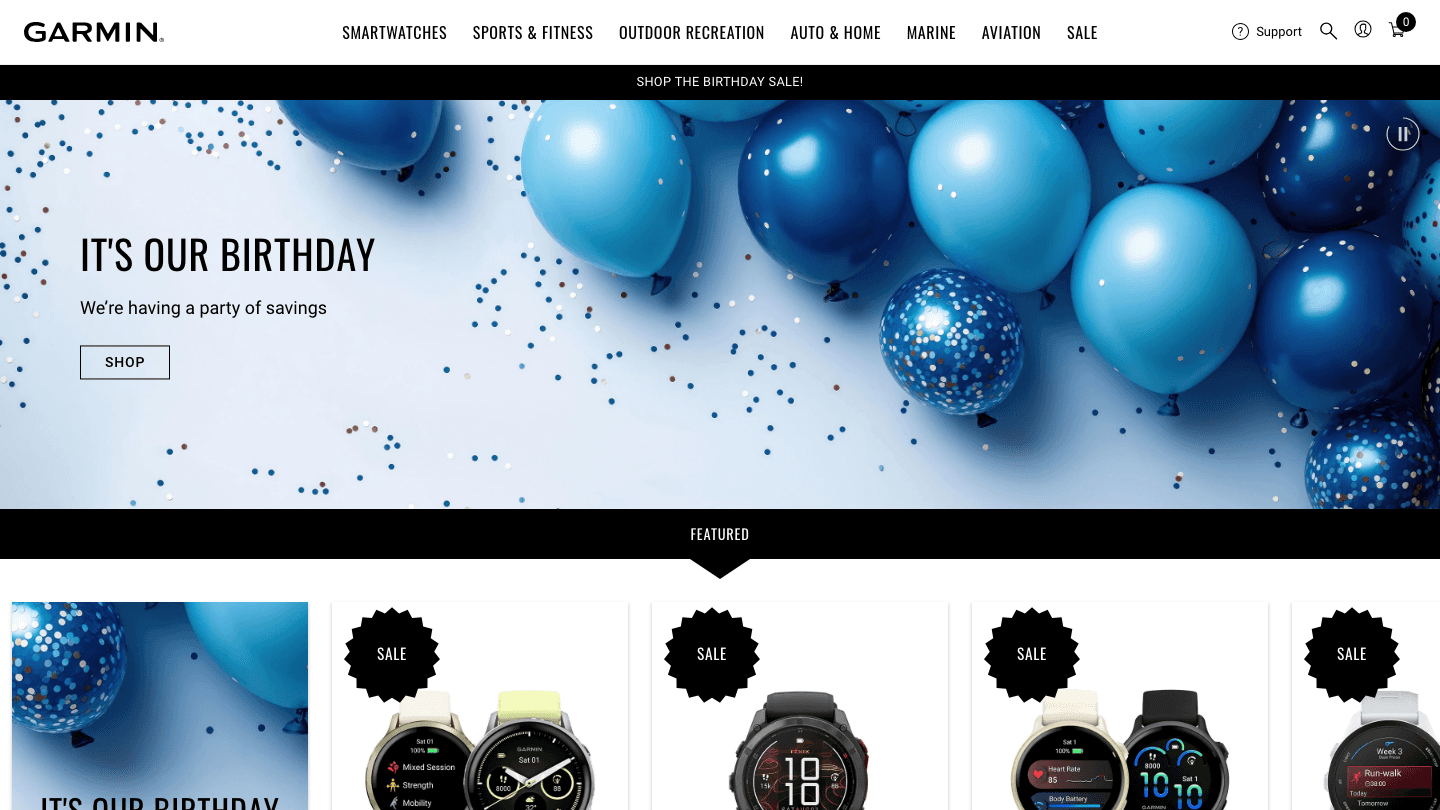
Garmin has been the GPS company since before smartphones existed, and that heritage shows in every watch they make. The Vivoactive 5 ($179) is the accessible entry point for general fitness use. The Forerunner 165 ($199) adds more dedicated running metrics. The Fenix 8 series is for multi-sport athletes who want everything the platform offers.
The standout Garmin feature is Body Battery, a 0-100 readiness score that combines heart rate variability, sleep quality, stress, and activity history. It updates throughout the day and is one of the most practical wearable wellness signals available on any platform. Garmin's stress monitoring is also more granular than most competitors, measuring physiological stress markers in real time.
The Garmin Connect app is feature-dense. Training plans, VO2 max estimates, performance condition, race predictor, and daily suggested workouts are all included. The tradeoff is that the app takes time to learn and can feel overwhelming for users who just want a step count.
What Works
Built-in GPS standard on most models, including Vivoactive 5 and Forerunner 165
Body Battery and HRV status for recovery and daily readiness
Best-in-class training metrics: VO2 max, training load, race predictor, Garmin Coach plans
Battery life from 11 days (Vivoactive 5) to 16+ days on solar models
Extensive third-party app support via Garmin Connect IQ
Works with both Android and iPhone
Limitations
Higher entry price than Fitbit ($179 minimum for meaningful features)
Garmin Connect app has a steep learning curve for casual users
Sleep tracking is less polished than Fitbit at entry-level price points
No ECG on base models (Vivoactive 5, Forerunner 165)
Pricing: Vivoactive 5 from $179 | Forerunner 165 from $199 | Vivoactive 6 from $294 | Fenix 8 from $799. No required subscription.
Best for: Runners, cyclists, hikers, and anyone who trains regularly and wants GPS, training load analysis, and long battery life.
Fitbit Overview
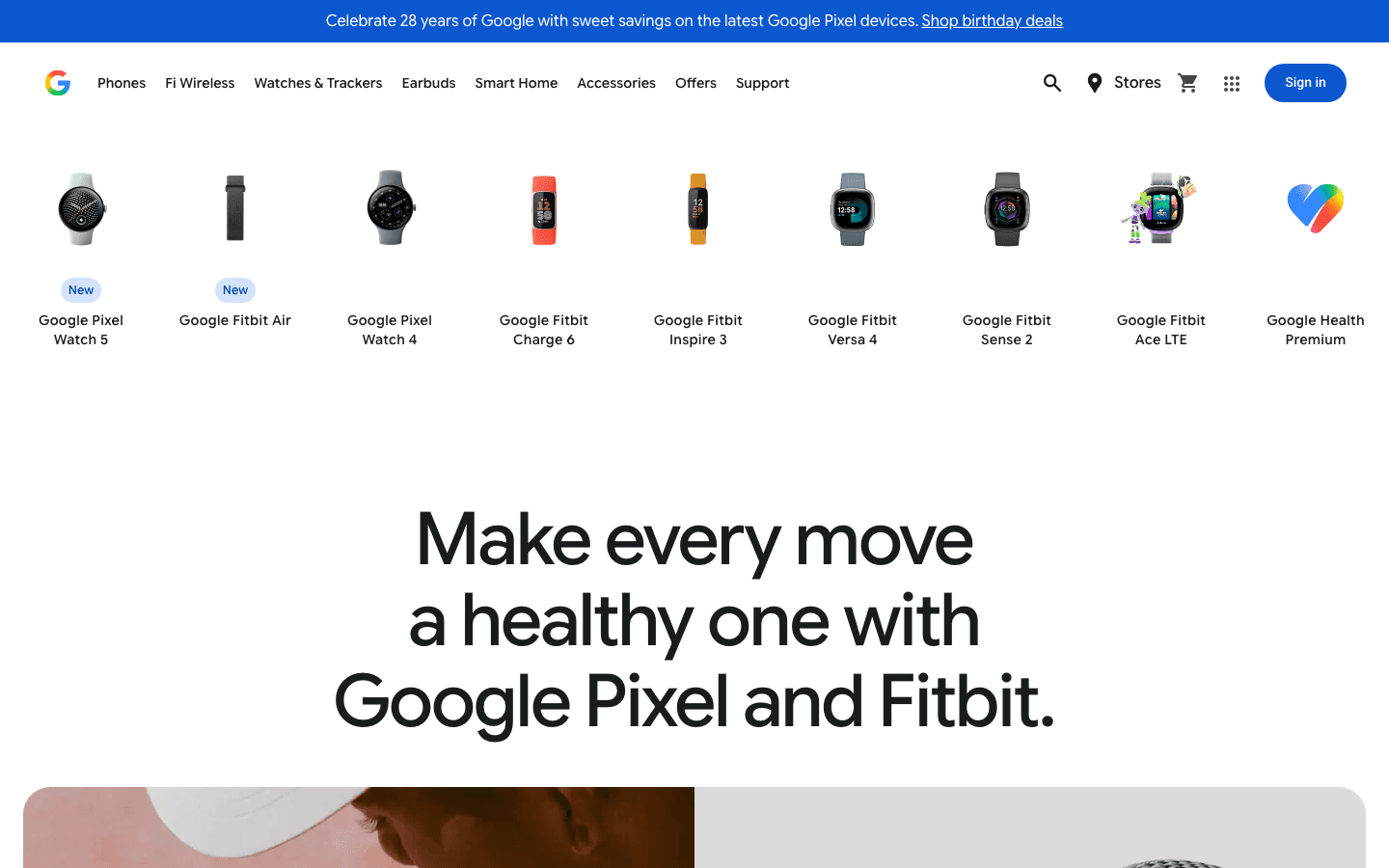
Fitbit (now owned by Google) takes a simpler approach. The Fitbit Air ($99.99), launched in May 2026, is a screenless tracker. The Inspire 3 ($99.95) is the classic slim wristband option. The Charge 6 ($159.95) adds ECG, built-in GPS, and Google app integration including Google Wallet.
Fitbit's strength is sleep. The platform has years of sleep research behind it, and its sleep scores, HRV tracking, and recovery insights are among the most accessible in the industry. The companion Google Health app is cleaner and easier to read than Garmin Connect, which matters for users who check it daily.
Most Fitbit models lack built-in GPS (Charge 6 is the exception), which limits outdoor run tracking to phone-connected use. Training metrics are basic compared to Garmin. Fitbit is built for everyday health users, not competitive athletes.
What Works
Excellent sleep tracking with detailed stage breakdowns and sleep scores
Clean, easy Google Health app with strong data visualization
Affordable entry point, starting under $100
ECG and SpO2 on Charge 6 and Sense 2
EDA stress sensor on Sense 2
Works with both Android and iPhone
Limitations
No built-in GPS on Inspire 3, Air, or Sense 2
Limited third-party app store
Fitbit Premium ($9.99/month) needed for advanced health insights
Training metrics are basic: no VO2 max, training load, or race predictor
No Body Battery equivalent for daily readiness
Pricing: Air from $99.99 | Inspire 3 from $99.95 | Charge 6 from $159.95 | Sense 2 from $249.95. Fitbit Premium: $9.99/month or $79.99/year (optional).
Best for: Budget shoppers, wellness-focused users, and anyone who wants simple daily health tracking and solid sleep data without training complexity.
Head-to-Head: Garmin vs Fitbit
GPS and Workout Tracking
Garmin wins clearly. Built-in GPS is standard on most models from the Vivoactive 5 up. Fitbit only offers it on the Charge 6 ($159.95). If you run or cycle outdoors and want accurate pace, distance, and route data without carrying your phone, Garmin is the only serious option at any comparable price point.
Battery Life
Both platforms last longer than Apple Watch or Samsung Galaxy Watch. Garmin Vivoactive 5 lasts 11 days. Forerunner 165 runs 11 days in smartwatch mode. Fitbit Charge 6 gets 7 days; Inspire 3 reaches 10. For typical use, they are in the same range. Garmin's premium solar models (Fenix 8 Solar, Epix Pro) go significantly longer.
Sleep Tracking
Fitbit leads here. The sleep score dashboard is more polished, the HRV data is easier to interpret, and the research history behind the platform is deeper. Garmin tracks sleep stages and offers Body Battery as a morning readiness indicator, which is excellent. But for the sleep experience specifically, Fitbit is the cleaner, more focused product.
Training and Athlete Features
Garmin is not close to Fitbit here, and not in a competitive way. Garmin simply offers a completely different level of training data: VO2 max, training load, recovery advisor, performance condition, Garmin Coach plans, and sport-specific profiles for running, cycling, swimming, golf, and dozens more. Fitbit has step tracking, active zone minutes, and basic workout modes. They are not in the same league for athletes.
App Ecosystem
Both work with Android and iPhone. Garmin works fully with iPhone via Garmin Connect. Fitbit uses Google Health on iOS. Garmin Connect IQ offers more third-party app integrations than Fitbit's limited store. Google Health has deeper AI health integration through Google's broader ecosystem.
Price
Fitbit starts cheaper at $99.99. Garmin's entry point is $179 for the Vivoactive 5. For comparable features (GPS, HRV, ECG), you are looking at Fitbit Charge 6 at $159.95 versus Garmin Forerunner 165 at $199. The Garmin costs more but delivers meaningfully more training data for anyone who works out regularly.
Which Should You Choose?
Choose Garmin if: you run, cycle, hike, or train seriously and want GPS, VO2 max, training load, and long battery life
Choose Fitbit if: you want simple daily health tracking, good sleep data, and are on a budget under $200
Choose Fitbit Charge 6 if: you want ECG, GPS, and Google integration at $159.95 without Garmin's complexity
Choose Garmin Vivoactive 5 if: you want Garmin's training tools at the most accessible price point ($179)
Not sure yet? See our complete wearable device comparison covering Garmin, Fitbit, Apple Watch, Whoop, Oura, and Ultrahuman
One gap both platforms share: they track your body, but they do not help you act on the data. Lifestack connects to your wearable health data and builds an energy-aware daily schedule around your actual recovery levels. If your Body Battery is at 40% after a hard morning run, Lifestack moves demanding work blocks to your afternoon recovery window. It is the layer that makes fitness tracker data actionable.

Frequently Asked Questions
Is Garmin or Fitbit better for running?
Garmin is the better running platform by a wide margin. Built-in GPS is standard across the lineup, and training load, VO2 max, race predictor, and Garmin Coach are all included. Fitbit Charge 6 has GPS but none of the advanced running analytics. If running is your primary activity, choose Garmin.
Does Garmin or Fitbit have better sleep tracking?
Fitbit has the more polished sleep tracking experience. The sleep score dashboard is cleaner, the HRV data is easier to read, and the platform's sleep research history is deeper. Garmin tracks sleep stages and adds Body Battery for morning readiness, which is a strong signal. For pure sleep metrics, Fitbit wins. For overall recovery tracking throughout the day, Garmin is stronger.
Can Garmin and Fitbit both work with an iPhone?
Yes. Both platforms are fully compatible with iPhone. Garmin works with iPhone via the Garmin Connect app. Fitbit uses the Google Health app on iOS. Neither requires a specific phone brand.
Do I need Fitbit Premium?
Fitbit Premium ($9.99/month or $79.99/year) unlocks advanced sleep analysis, daily readiness scores, and guided wellness programs. The free tier covers basic metrics but limits most of what makes Fitbit compelling for health-focused users. Most committed users upgrade within a few months.
Is Garmin calorie tracking accurate?
Garmin is reasonably accurate for GPS-based workout calories, but Garmin calorie estimates for non-GPS activities can be less precise. This is true across all fitness trackers. Use calorie data as a directional guide rather than a precise count.
What is Garmin Body Battery?
Garmin Body Battery is a 0-100 daily readiness score that combines heart rate variability, sleep quality, stress levels, and recent activity. It updates throughout the day. A high score means you are recovered and ready to train hard. A low score suggests a lighter day or rest. It is one of the best practical readiness features on any wearable platform.
Garmin and Fitbit take fundamentally different approaches to fitness tracking. Garmin builds devices for athletes, trail runners, triathletes, and anyone who spends time outdoors and wants serious training data. Fitbit builds devices for people who want to stay healthy, sleep better, and understand their body without becoming a data analyst.
Both platforms track heart rate, steps, and sleep. After that, they diverge sharply. A Garmin Fenix 8 can guide you through a trail run, analyze your training load, and estimate your marathon time. A Fitbit Inspire 3 shows your step streak and reminds you to move. Same product category, completely different audience.
Price is another major dividing line. Fitbit starts at $99.99. Garmin's lineup starts around $179 for the Vivoactive 5 and climbs past $800 for the Fenix 8. Both platforms work with Android and iPhone.
We compared both platforms across battery life, health features, app ecosystems, training tools, and daily usability to help you figure out which one fits your actual life.
Key Takeaways
Garmin is the better pick for athletes, runners, and outdoor enthusiasts who want GPS accuracy, VO2 max tracking, and advanced training metrics
Fitbit wins for budget shoppers and everyday health users who want simple tracking, solid sleep data, and minimal setup complexity
Both work with Android and iPhone with no phone manufacturer lock-in on either side
Quick Verdict
Garmin: Best for runners, cyclists, hikers, and anyone who trains regularly and wants GPS precision, training load analysis, and long battery life
Fitbit: Best for budget-conscious shoppers and health-focused beginners who want reliable daily tracking without complexity
Garmin Overview
Garmin has been the GPS company since before smartphones existed, and that heritage shows in every watch they make. The Vivoactive 5 ($179) is the accessible entry point for general fitness use. The Forerunner 165 ($199) adds more dedicated running metrics. The Fenix 8 series is for multi-sport athletes who want everything the platform offers.
The standout Garmin feature is Body Battery, a 0-100 readiness score that combines heart rate variability, sleep quality, stress, and activity history. It updates throughout the day and is one of the most practical wearable wellness signals available on any platform. Garmin's stress monitoring is also more granular than most competitors, measuring physiological stress markers in real time.
The Garmin Connect app is feature-dense. Training plans, VO2 max estimates, performance condition, race predictor, and daily suggested workouts are all included. The tradeoff is that the app takes time to learn and can feel overwhelming for users who just want a step count.
What Works
Built-in GPS standard on most models, including Vivoactive 5 and Forerunner 165
Body Battery and HRV status for recovery and daily readiness
Best-in-class training metrics: VO2 max, training load, race predictor, Garmin Coach plans
Battery life from 11 days (Vivoactive 5) to 16+ days on solar models
Extensive third-party app support via Garmin Connect IQ
Works with both Android and iPhone
Limitations
Higher entry price than Fitbit ($179 minimum for meaningful features)
Garmin Connect app has a steep learning curve for casual users
Sleep tracking is less polished than Fitbit at entry-level price points
No ECG on base models (Vivoactive 5, Forerunner 165)
Pricing: Vivoactive 5 from $179 | Forerunner 165 from $199 | Vivoactive 6 from $294 | Fenix 8 from $799. No required subscription.
Best for: Runners, cyclists, hikers, and anyone who trains regularly and wants GPS, training load analysis, and long battery life.
Fitbit Overview
Fitbit (now owned by Google) takes a simpler approach. The Fitbit Air ($99.99), launched in May 2026, is a screenless tracker. The Inspire 3 ($99.95) is the classic slim wristband option. The Charge 6 ($159.95) adds ECG, built-in GPS, and Google app integration including Google Wallet.
Fitbit's strength is sleep. The platform has years of sleep research behind it, and its sleep scores, HRV tracking, and recovery insights are among the most accessible in the industry. The companion Google Health app is cleaner and easier to read than Garmin Connect, which matters for users who check it daily.
Most Fitbit models lack built-in GPS (Charge 6 is the exception), which limits outdoor run tracking to phone-connected use. Training metrics are basic compared to Garmin. Fitbit is built for everyday health users, not competitive athletes.
What Works
Excellent sleep tracking with detailed stage breakdowns and sleep scores
Clean, easy Google Health app with strong data visualization
Affordable entry point, starting under $100
ECG and SpO2 on Charge 6 and Sense 2
EDA stress sensor on Sense 2
Works with both Android and iPhone
Limitations
No built-in GPS on Inspire 3, Air, or Sense 2
Limited third-party app store
Fitbit Premium ($9.99/month) needed for advanced health insights
Training metrics are basic: no VO2 max, training load, or race predictor
No Body Battery equivalent for daily readiness
Pricing: Air from $99.99 | Inspire 3 from $99.95 | Charge 6 from $159.95 | Sense 2 from $249.95. Fitbit Premium: $9.99/month or $79.99/year (optional).
Best for: Budget shoppers, wellness-focused users, and anyone who wants simple daily health tracking and solid sleep data without training complexity.
Head-to-Head: Garmin vs Fitbit
GPS and Workout Tracking
Garmin wins clearly. Built-in GPS is standard on most models from the Vivoactive 5 up. Fitbit only offers it on the Charge 6 ($159.95). If you run or cycle outdoors and want accurate pace, distance, and route data without carrying your phone, Garmin is the only serious option at any comparable price point.
Battery Life
Both platforms last longer than Apple Watch or Samsung Galaxy Watch. Garmin Vivoactive 5 lasts 11 days. Forerunner 165 runs 11 days in smartwatch mode. Fitbit Charge 6 gets 7 days; Inspire 3 reaches 10. For typical use, they are in the same range. Garmin's premium solar models (Fenix 8 Solar, Epix Pro) go significantly longer.
Sleep Tracking
Fitbit leads here. The sleep score dashboard is more polished, the HRV data is easier to interpret, and the research history behind the platform is deeper. Garmin tracks sleep stages and offers Body Battery as a morning readiness indicator, which is excellent. But for the sleep experience specifically, Fitbit is the cleaner, more focused product.
Training and Athlete Features
Garmin is not close to Fitbit here, and not in a competitive way. Garmin simply offers a completely different level of training data: VO2 max, training load, recovery advisor, performance condition, Garmin Coach plans, and sport-specific profiles for running, cycling, swimming, golf, and dozens more. Fitbit has step tracking, active zone minutes, and basic workout modes. They are not in the same league for athletes.
App Ecosystem
Both work with Android and iPhone. Garmin works fully with iPhone via Garmin Connect. Fitbit uses Google Health on iOS. Garmin Connect IQ offers more third-party app integrations than Fitbit's limited store. Google Health has deeper AI health integration through Google's broader ecosystem.
Price
Fitbit starts cheaper at $99.99. Garmin's entry point is $179 for the Vivoactive 5. For comparable features (GPS, HRV, ECG), you are looking at Fitbit Charge 6 at $159.95 versus Garmin Forerunner 165 at $199. The Garmin costs more but delivers meaningfully more training data for anyone who works out regularly.
Which Should You Choose?
Choose Garmin if: you run, cycle, hike, or train seriously and want GPS, VO2 max, training load, and long battery life
Choose Fitbit if: you want simple daily health tracking, good sleep data, and are on a budget under $200
Choose Fitbit Charge 6 if: you want ECG, GPS, and Google integration at $159.95 without Garmin's complexity
Choose Garmin Vivoactive 5 if: you want Garmin's training tools at the most accessible price point ($179)
Not sure yet? See our complete wearable device comparison covering Garmin, Fitbit, Apple Watch, Whoop, Oura, and Ultrahuman
One gap both platforms share: they track your body, but they do not help you act on the data. Lifestack connects to your wearable health data and builds an energy-aware daily schedule around your actual recovery levels. If your Body Battery is at 40% after a hard morning run, Lifestack moves demanding work blocks to your afternoon recovery window. It is the layer that makes fitness tracker data actionable.
Frequently Asked Questions
Is Garmin or Fitbit better for running?
Garmin is the better running platform by a wide margin. Built-in GPS is standard across the lineup, and training load, VO2 max, race predictor, and Garmin Coach are all included. Fitbit Charge 6 has GPS but none of the advanced running analytics. If running is your primary activity, choose Garmin.
Does Garmin or Fitbit have better sleep tracking?
Fitbit has the more polished sleep tracking experience. The sleep score dashboard is cleaner, the HRV data is easier to read, and the platform's sleep research history is deeper. Garmin tracks sleep stages and adds Body Battery for morning readiness, which is a strong signal. For pure sleep metrics, Fitbit wins. For overall recovery tracking throughout the day, Garmin is stronger.
Can Garmin and Fitbit both work with an iPhone?
Yes. Both platforms are fully compatible with iPhone. Garmin works with iPhone via the Garmin Connect app. Fitbit uses the Google Health app on iOS. Neither requires a specific phone brand.
Do I need Fitbit Premium?
Fitbit Premium ($9.99/month or $79.99/year) unlocks advanced sleep analysis, daily readiness scores, and guided wellness programs. The free tier covers basic metrics but limits most of what makes Fitbit compelling for health-focused users. Most committed users upgrade within a few months.
Is Garmin calorie tracking accurate?
Garmin is reasonably accurate for GPS-based workout calories, but Garmin calorie estimates for non-GPS activities can be less precise. This is true across all fitness trackers. Use calorie data as a directional guide rather than a precise count.
What is Garmin Body Battery?
Garmin Body Battery is a 0-100 daily readiness score that combines heart rate variability, sleep quality, stress levels, and recent activity. It updates throughout the day. A high score means you are recovered and ready to train hard. A low score suggests a lighter day or rest. It is one of the best practical readiness features on any wearable platform.



FOLLOW ON
FOLLOW ON
FOLLOW ON


Copyright 2026 © Lifestack. All rights reserved
Copyright 2026 © Lifestack. All rights reserved

