
Tips
Natural Remedies for ADHD in Adults: What Works
Natural Remedies for ADHD in Adults: What Works
ADHD is a neurodevelopmental condition, not a mindset problem, and there's no natural cure for it in the way the phrase might suggest. But "natural cures for ADHD in adults" is a search that reflects something real: a lot of people want to understand what lifestyle changes, supplements, and non-medication strategies are actually supported by evidence, and what's just wellness marketing.
This guide covers the natural approaches with meaningful research behind them, what they can realistically do, and what they can't. Some are potent enough to make a significant difference in daily functioning. Others have modest effects. A few popular ones don't have good evidence at all.
None of the approaches below are substitutes for proper ADHD evaluation and treatment if you need it. They work best as complements to a broader management plan, including medication and behavioral strategies if those are appropriate for you.
Key Takeaways
Exercise is the single most evidence-backed natural approach to managing ADHD. It directly increases dopamine and norepinephrine, the same neurotransmitters that ADHD medications target.
Sleep is a prerequisite, not a supplement. ADHD symptoms worsen dramatically with poor sleep, and many adults with ADHD have untreated sleep disorders that compound their symptoms.
Structure and external routine reduce the daily executive function load that ADHD brains find costly. This is one of the most sustainable and accessible interventions available.
1. Exercise: The Most Evidence-Backed Natural Approach
If there's one natural intervention for ADHD with strong, consistent research behind it, exercise is it. Physical activity increases dopamine and norepinephrine in the prefrontal cortex, the same mechanism by which stimulant medications work. The effect is real and significant, though shorter-lasting than medication, typically a few hours.
Studies in both children and adults with ADHD show that aerobic exercise improves attention, working memory, impulse control, and executive function. Moderate-intensity exercise (running, cycling, swimming) appears more effective than light activity for these outcomes. Even a single 20-minute session produces measurable cognitive improvements for several hours afterward.
The practical implication: exercise is most valuable as a daily morning habit, placed before the cognitively demanding parts of your day. This maximizes the window of improved focus. The effect is cumulative over weeks in addition to the acute boost from each session. People who exercise consistently report substantially better attention management than during sedentary periods, independent of other changes. This pairs well with managing low-energy states, which this guide on low-energy periods covers in more detail.
2. Sleep: The Non-Negotiable Foundation
Adults with ADHD have significantly higher rates of sleep disorders than the general population. Delayed sleep phase syndrome (the inability to fall asleep until late and difficulty waking early) is particularly common. Restless legs syndrome, sleep apnea, and generally poor sleep quality are also more prevalent.
The relationship between ADHD and sleep is bidirectional. ADHD makes sleep harder (racing thoughts, difficulty winding down, hyperfocusing into the night). Poor sleep makes ADHD symptoms dramatically worse. Attention, working memory, impulse control, and emotional regulation all deteriorate sharply with insufficient or disrupted sleep. Some adults with undiagnosed ADHD have been managing sleep deprivation for years and the symptoms look nearly identical.
Consistent sleep and wake times, reduced screen exposure in the hour before bed, and a cool, dark room are the basics. For adults with ADHD specifically, dimming lights 60 to 90 minutes before the desired sleep time can help shift sleep onset earlier. If you suspect a sleep disorder (particularly sleep apnea), a proper evaluation is worth pursuing before attributing all fatigue and attention difficulties to ADHD alone. The best sleep tracking apps can help you understand your sleep patterns before seeking clinical evaluation.
3. Nutrition and Diet
The relationship between diet and ADHD is real but often overstated. The evidence that specific dietary changes can significantly reduce ADHD symptoms in adults is modest. The evidence that a poor diet makes symptoms worse is stronger.
High-protein breakfasts help stabilize dopamine production and energy through the morning, which is particularly useful given that many adults with ADHD experience significant mid-morning energy crashes. Minimizing high-glycemic foods (white bread, sugary drinks, processed carbs) reduces the blood sugar swings that worsen attention and mood. These aren't cures. They're stabilizers.
Elimination diets for ADHD (removing artificial colors, preservatives, and specific allergens) show more evidence in children than adults, and the effects are smaller than often claimed in wellness contexts. If you notice clear correlations between specific foods and symptom spikes, keeping a food and symptom journal for a few weeks can help identify them. Starting with the basics, sleep, exercise, and stress reduction, before complex dietary protocols produces better return on effort for most people.
4. Mindfulness and Stress Reduction
Several studies have shown that regular mindfulness practice produces measurable improvements in attention, working memory, and emotional regulation for adults with ADHD. The improvements are clinically meaningful, though smaller in magnitude than medication for most people.
The practical challenge: mindfulness is hard for ADHD brains. Sitting still and directing attention without distraction is precisely the kind of task that ADHD makes difficult. Starting with very short sessions (5 minutes) and building incrementally tends to work better than beginning with 20-minute sessions that feel impossible. Apps like Waking Up, Headspace, or Calm with short guided sessions are lower-barrier starting points than unguided practice.
Mindfulness also helps with the emotional regulation component of ADHD, which is often underemphasized. Adults with ADHD frequently experience rejection-sensitive dysphoria and emotional intensity that mindfulness practice can measurably reduce over time. Stress reduction more broadly, through any effective method, reduces symptom severity because the sympathetic nervous system activation from chronic stress directly worsens executive function.
5. Structure, Routine, and External Systems
External structure is one of the most accessible and sustainable natural approaches to ADHD management. The ADHD brain has difficulty generating internal structure spontaneously, but it can follow external structure reliably when that structure is well-designed.
A consistent daily routine, at roughly the same times each day, reduces the executive function overhead of deciding what to do next. Each decision about when to eat, when to start work, and when to transition between tasks costs cognitive energy that ADHD brains have less reserve of. Routines that are automatic don't require those decisions. They preserve the capacity for the decisions that genuinely require deliberate attention.
Time blocking, physical planners, visual timers, and task management apps all serve the same function: they provide external scaffolding for the internal scaffolding that the ADHD brain doesn't maintain naturally. The best tools for this are covered in the best ADHD daily planner apps and day planning strategies for ADHD and autism.
6. Supplements: What Has Evidence
The supplement space for ADHD is crowded with claims and thin on evidence. A few specific supplements have reasonable research support:
Omega-3 fatty acids (EPA/DHA): The most researched supplement for ADHD. Multiple meta-analyses show modest but consistent improvements in attention and hyperactivity, particularly in people with lower baseline omega-3 levels. The effects are smaller than medication but real. Standard doses of 1 to 2g of EPA/DHA daily are commonly studied.
Zinc: Low zinc levels are more common in people with ADHD, and some research shows supplementation helps in those who are deficient. The effect is less consistent than omega-3 and more relevant for people with confirmed deficiency than as a general supplement.
Magnesium: Some evidence for reducing hyperactivity and improving sleep in people with ADHD, particularly magnesium glycinate which crosses the blood-brain barrier more effectively. Sleep benefits are the most consistently reported effect.
Iron: Relevant for people with low ferritin levels, which are more common in ADHD. Restless legs syndrome, which significantly disrupts sleep, is often associated with low iron. Check ferritin specifically (not just hemoglobin) with a doctor if fatigue and restlessness are significant.
Supplements to be skeptical of: most "focus" or "brain" supplement blends with long ingredient lists tend to have less individual-ingredient evidence than the amounts of each ingredient warrant. Always discuss supplements with a healthcare provider, particularly if you're taking medication, as interactions are possible.
Best Tool for ADHD Lifestyle Management
The approaches above work best when they're structurally built into the day rather than relied on as individual willpower decisions. Exercise, sleep protection, and structured routines don't happen consistently through motivation alone for most adults with ADHD. They happen when the environment and schedule are designed around them.
Lifestack is a daily planner built specifically for the way ADHD brains work with energy rather than just time. It reads your wearable data (Oura Ring, Garmin, Apple Watch) to identify your focus peaks and recovery windows, then builds a daily schedule that puts your most demanding tasks during your best hours. On days when sleep was poor and your readiness score is low, Lifestack automatically lightens the cognitive load of the morning and saves the harder work for when recovery happens.
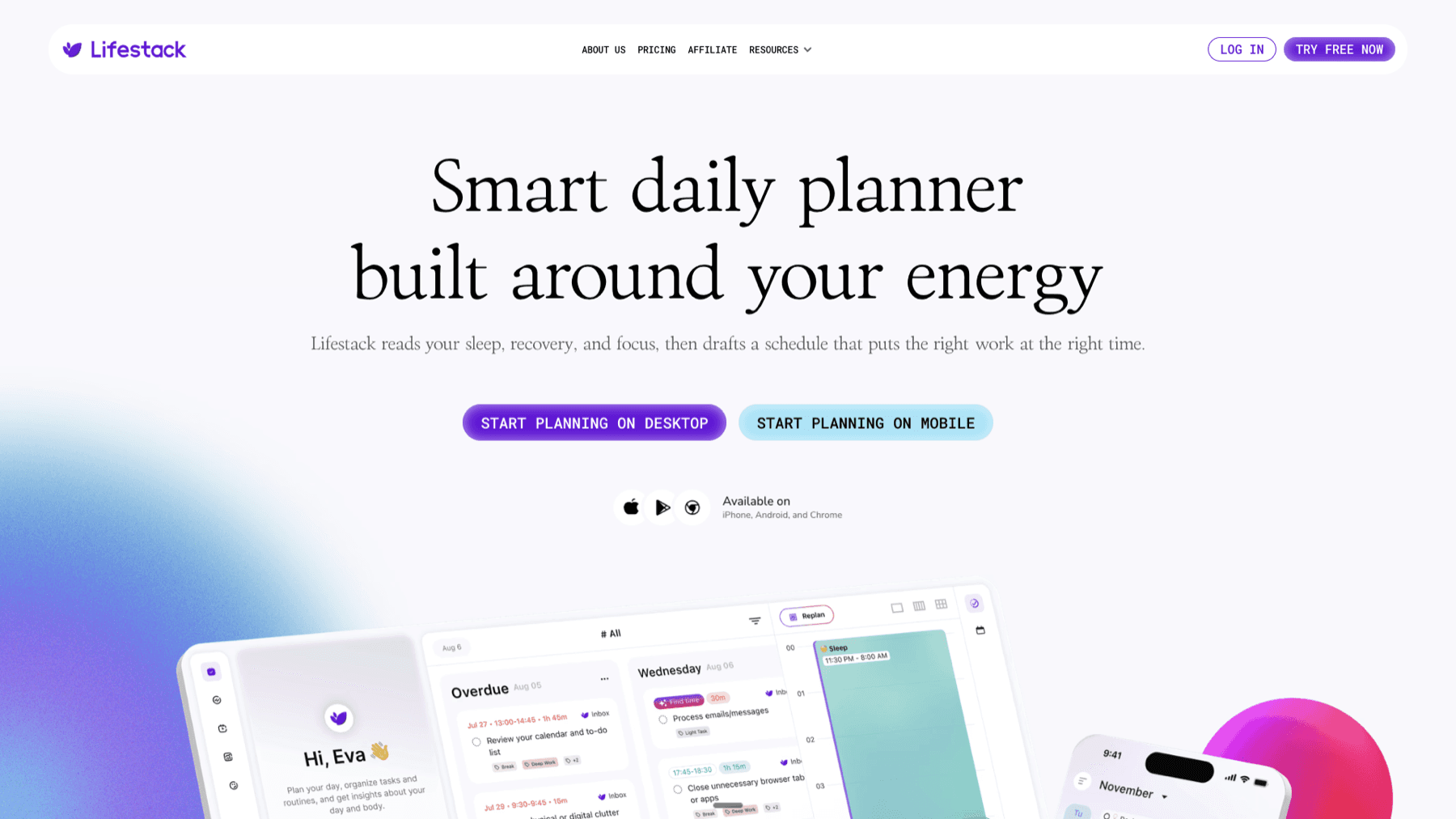
This is the daily scaffolding that makes natural ADHD management sustainable rather than aspirational. The decision of what to work on and when is handled automatically. The morning exercise habit gets protected time. The high-energy window gets protected for creative or analytical work. Lifestack costs $7/month or $50/year with a 7-day free trial. For a broader look at focus-specific apps, see the best ADHD apps for focus.
Frequently Asked Questions
Are there natural cures for ADHD in adults?
ADHD is a neurodevelopmental condition without a cure, natural or otherwise. What natural approaches can do is meaningfully reduce symptom severity and improve daily functioning. Exercise is the most evidence-backed option, followed by sleep optimization, dietary stabilization, mindfulness practice, and external structure. These work best as part of a broader management plan, which may or may not include medication, depending on individual needs and preferences.
What is the best natural treatment for ADHD in adults?
Exercise has the strongest research support. Aerobic exercise increases dopamine and norepinephrine directly, improves attention and working memory for hours after a session, and has cumulative benefits with regular practice. Sleep is a close second, not as a treatment but as a prerequisite: addressing poor sleep or untreated sleep disorders often produces significant symptom improvement on its own. Consistent daily structure, managed through external tools rather than internal effort, is the third most impactful change for most adults.
Can omega-3 help with ADHD in adults?
Yes, with modest effect size. Multiple reviews of the research show omega-3 supplementation (particularly higher-EPA formulations at 1 to 2g daily) produces statistically significant improvements in attention and hyperactivity in adults with ADHD. The effects are smaller than stimulant medication and larger than placebo. It's one of the more sensible supplements to try given its safety profile and general health benefits alongside the ADHD-specific effects.
Does diet affect ADHD in adults?
Diet affects ADHD indirectly more than directly. Stabilizing blood sugar through protein at meals and reducing high-glycemic food throughout the day reduces the energy and attention swings that worsen ADHD symptoms. Adequate iron and omega-3 intake matter. Specific elimination diets (artificial color removal) have more evidence in children than adults. The net effect of diet alone is modest, but poor diet choices can meaningfully exacerbate symptoms that are already present.
Does mindfulness help ADHD?
Yes, though the evidence quality varies. Several controlled studies show that sustained mindfulness practice improves attention, executive function, and emotional regulation in adults with ADHD. The effect size is clinically meaningful, smaller than medication but larger than many people expect. The main challenge is that starting a mindfulness practice is particularly difficult for ADHD brains, and short, guided sessions tend to be more accessible than traditional longer practices.
How can I manage ADHD naturally without medication?
Build the foundation first: consistent sleep schedule, daily aerobic exercise, and stable nutrition. Add external structure: time-blocking, task management tools, and awareness of your burnout patterns. Layer in mindfulness and stress reduction if accessible. Consider targeted supplements (omega-3, magnesium) with a doctor's input. Use planning and scheduling tools that accommodate ADHD energy patterns rather than fighting them. The key is making these supports structural rather than relying on motivation, which is unreliable for ADHD brains by definition.
ADHD is a neurodevelopmental condition, not a mindset problem, and there's no natural cure for it in the way the phrase might suggest. But "natural cures for ADHD in adults" is a search that reflects something real: a lot of people want to understand what lifestyle changes, supplements, and non-medication strategies are actually supported by evidence, and what's just wellness marketing.
This guide covers the natural approaches with meaningful research behind them, what they can realistically do, and what they can't. Some are potent enough to make a significant difference in daily functioning. Others have modest effects. A few popular ones don't have good evidence at all.
None of the approaches below are substitutes for proper ADHD evaluation and treatment if you need it. They work best as complements to a broader management plan, including medication and behavioral strategies if those are appropriate for you.
Key Takeaways
Exercise is the single most evidence-backed natural approach to managing ADHD. It directly increases dopamine and norepinephrine, the same neurotransmitters that ADHD medications target.
Sleep is a prerequisite, not a supplement. ADHD symptoms worsen dramatically with poor sleep, and many adults with ADHD have untreated sleep disorders that compound their symptoms.
Structure and external routine reduce the daily executive function load that ADHD brains find costly. This is one of the most sustainable and accessible interventions available.
1. Exercise: The Most Evidence-Backed Natural Approach
If there's one natural intervention for ADHD with strong, consistent research behind it, exercise is it. Physical activity increases dopamine and norepinephrine in the prefrontal cortex, the same mechanism by which stimulant medications work. The effect is real and significant, though shorter-lasting than medication, typically a few hours.
Studies in both children and adults with ADHD show that aerobic exercise improves attention, working memory, impulse control, and executive function. Moderate-intensity exercise (running, cycling, swimming) appears more effective than light activity for these outcomes. Even a single 20-minute session produces measurable cognitive improvements for several hours afterward.
The practical implication: exercise is most valuable as a daily morning habit, placed before the cognitively demanding parts of your day. This maximizes the window of improved focus. The effect is cumulative over weeks in addition to the acute boost from each session. People who exercise consistently report substantially better attention management than during sedentary periods, independent of other changes. This pairs well with managing low-energy states, which this guide on low-energy periods covers in more detail.
2. Sleep: The Non-Negotiable Foundation
Adults with ADHD have significantly higher rates of sleep disorders than the general population. Delayed sleep phase syndrome (the inability to fall asleep until late and difficulty waking early) is particularly common. Restless legs syndrome, sleep apnea, and generally poor sleep quality are also more prevalent.
The relationship between ADHD and sleep is bidirectional. ADHD makes sleep harder (racing thoughts, difficulty winding down, hyperfocusing into the night). Poor sleep makes ADHD symptoms dramatically worse. Attention, working memory, impulse control, and emotional regulation all deteriorate sharply with insufficient or disrupted sleep. Some adults with undiagnosed ADHD have been managing sleep deprivation for years and the symptoms look nearly identical.
Consistent sleep and wake times, reduced screen exposure in the hour before bed, and a cool, dark room are the basics. For adults with ADHD specifically, dimming lights 60 to 90 minutes before the desired sleep time can help shift sleep onset earlier. If you suspect a sleep disorder (particularly sleep apnea), a proper evaluation is worth pursuing before attributing all fatigue and attention difficulties to ADHD alone. The best sleep tracking apps can help you understand your sleep patterns before seeking clinical evaluation.
3. Nutrition and Diet
The relationship between diet and ADHD is real but often overstated. The evidence that specific dietary changes can significantly reduce ADHD symptoms in adults is modest. The evidence that a poor diet makes symptoms worse is stronger.
High-protein breakfasts help stabilize dopamine production and energy through the morning, which is particularly useful given that many adults with ADHD experience significant mid-morning energy crashes. Minimizing high-glycemic foods (white bread, sugary drinks, processed carbs) reduces the blood sugar swings that worsen attention and mood. These aren't cures. They're stabilizers.
Elimination diets for ADHD (removing artificial colors, preservatives, and specific allergens) show more evidence in children than adults, and the effects are smaller than often claimed in wellness contexts. If you notice clear correlations between specific foods and symptom spikes, keeping a food and symptom journal for a few weeks can help identify them. Starting with the basics, sleep, exercise, and stress reduction, before complex dietary protocols produces better return on effort for most people.
4. Mindfulness and Stress Reduction
Several studies have shown that regular mindfulness practice produces measurable improvements in attention, working memory, and emotional regulation for adults with ADHD. The improvements are clinically meaningful, though smaller in magnitude than medication for most people.
The practical challenge: mindfulness is hard for ADHD brains. Sitting still and directing attention without distraction is precisely the kind of task that ADHD makes difficult. Starting with very short sessions (5 minutes) and building incrementally tends to work better than beginning with 20-minute sessions that feel impossible. Apps like Waking Up, Headspace, or Calm with short guided sessions are lower-barrier starting points than unguided practice.
Mindfulness also helps with the emotional regulation component of ADHD, which is often underemphasized. Adults with ADHD frequently experience rejection-sensitive dysphoria and emotional intensity that mindfulness practice can measurably reduce over time. Stress reduction more broadly, through any effective method, reduces symptom severity because the sympathetic nervous system activation from chronic stress directly worsens executive function.
5. Structure, Routine, and External Systems
External structure is one of the most accessible and sustainable natural approaches to ADHD management. The ADHD brain has difficulty generating internal structure spontaneously, but it can follow external structure reliably when that structure is well-designed.
A consistent daily routine, at roughly the same times each day, reduces the executive function overhead of deciding what to do next. Each decision about when to eat, when to start work, and when to transition between tasks costs cognitive energy that ADHD brains have less reserve of. Routines that are automatic don't require those decisions. They preserve the capacity for the decisions that genuinely require deliberate attention.
Time blocking, physical planners, visual timers, and task management apps all serve the same function: they provide external scaffolding for the internal scaffolding that the ADHD brain doesn't maintain naturally. The best tools for this are covered in the best ADHD daily planner apps and day planning strategies for ADHD and autism.
6. Supplements: What Has Evidence
The supplement space for ADHD is crowded with claims and thin on evidence. A few specific supplements have reasonable research support:
Omega-3 fatty acids (EPA/DHA): The most researched supplement for ADHD. Multiple meta-analyses show modest but consistent improvements in attention and hyperactivity, particularly in people with lower baseline omega-3 levels. The effects are smaller than medication but real. Standard doses of 1 to 2g of EPA/DHA daily are commonly studied.
Zinc: Low zinc levels are more common in people with ADHD, and some research shows supplementation helps in those who are deficient. The effect is less consistent than omega-3 and more relevant for people with confirmed deficiency than as a general supplement.
Magnesium: Some evidence for reducing hyperactivity and improving sleep in people with ADHD, particularly magnesium glycinate which crosses the blood-brain barrier more effectively. Sleep benefits are the most consistently reported effect.
Iron: Relevant for people with low ferritin levels, which are more common in ADHD. Restless legs syndrome, which significantly disrupts sleep, is often associated with low iron. Check ferritin specifically (not just hemoglobin) with a doctor if fatigue and restlessness are significant.
Supplements to be skeptical of: most "focus" or "brain" supplement blends with long ingredient lists tend to have less individual-ingredient evidence than the amounts of each ingredient warrant. Always discuss supplements with a healthcare provider, particularly if you're taking medication, as interactions are possible.
Best Tool for ADHD Lifestyle Management
The approaches above work best when they're structurally built into the day rather than relied on as individual willpower decisions. Exercise, sleep protection, and structured routines don't happen consistently through motivation alone for most adults with ADHD. They happen when the environment and schedule are designed around them.
Lifestack is a daily planner built specifically for the way ADHD brains work with energy rather than just time. It reads your wearable data (Oura Ring, Garmin, Apple Watch) to identify your focus peaks and recovery windows, then builds a daily schedule that puts your most demanding tasks during your best hours. On days when sleep was poor and your readiness score is low, Lifestack automatically lightens the cognitive load of the morning and saves the harder work for when recovery happens.
This is the daily scaffolding that makes natural ADHD management sustainable rather than aspirational. The decision of what to work on and when is handled automatically. The morning exercise habit gets protected time. The high-energy window gets protected for creative or analytical work. Lifestack costs $7/month or $50/year with a 7-day free trial. For a broader look at focus-specific apps, see the best ADHD apps for focus.
Frequently Asked Questions
Are there natural cures for ADHD in adults?
ADHD is a neurodevelopmental condition without a cure, natural or otherwise. What natural approaches can do is meaningfully reduce symptom severity and improve daily functioning. Exercise is the most evidence-backed option, followed by sleep optimization, dietary stabilization, mindfulness practice, and external structure. These work best as part of a broader management plan, which may or may not include medication, depending on individual needs and preferences.
What is the best natural treatment for ADHD in adults?
Exercise has the strongest research support. Aerobic exercise increases dopamine and norepinephrine directly, improves attention and working memory for hours after a session, and has cumulative benefits with regular practice. Sleep is a close second, not as a treatment but as a prerequisite: addressing poor sleep or untreated sleep disorders often produces significant symptom improvement on its own. Consistent daily structure, managed through external tools rather than internal effort, is the third most impactful change for most adults.
Can omega-3 help with ADHD in adults?
Yes, with modest effect size. Multiple reviews of the research show omega-3 supplementation (particularly higher-EPA formulations at 1 to 2g daily) produces statistically significant improvements in attention and hyperactivity in adults with ADHD. The effects are smaller than stimulant medication and larger than placebo. It's one of the more sensible supplements to try given its safety profile and general health benefits alongside the ADHD-specific effects.
Does diet affect ADHD in adults?
Diet affects ADHD indirectly more than directly. Stabilizing blood sugar through protein at meals and reducing high-glycemic food throughout the day reduces the energy and attention swings that worsen ADHD symptoms. Adequate iron and omega-3 intake matter. Specific elimination diets (artificial color removal) have more evidence in children than adults. The net effect of diet alone is modest, but poor diet choices can meaningfully exacerbate symptoms that are already present.
Does mindfulness help ADHD?
Yes, though the evidence quality varies. Several controlled studies show that sustained mindfulness practice improves attention, executive function, and emotional regulation in adults with ADHD. The effect size is clinically meaningful, smaller than medication but larger than many people expect. The main challenge is that starting a mindfulness practice is particularly difficult for ADHD brains, and short, guided sessions tend to be more accessible than traditional longer practices.
How can I manage ADHD naturally without medication?
Build the foundation first: consistent sleep schedule, daily aerobic exercise, and stable nutrition. Add external structure: time-blocking, task management tools, and awareness of your burnout patterns. Layer in mindfulness and stress reduction if accessible. Consider targeted supplements (omega-3, magnesium) with a doctor's input. Use planning and scheduling tools that accommodate ADHD energy patterns rather than fighting them. The key is making these supports structural rather than relying on motivation, which is unreliable for ADHD brains by definition.



FOLLOW ON
FOLLOW ON
FOLLOW ON


Copyright 2026 © Lifestack. All rights reserved
Copyright 2026 © Lifestack. All rights reserved

