
Device
Fitbit vs Apple Watch: Which Tracker Wins in 2026?
Fitbit vs Apple Watch: Which Tracker Wins in 2026?

Fitbit vs Apple Watch is one of the most common debates in fitness tech. Both track your steps, monitor your heart, and nudge you toward healthier habits. The similarities mostly end there.
Fitbit devices start under $100 and last up to ten days on a single charge. Apple Watch starts at $249 and most people charge it every night. Fitbit works with Android and iPhone. Apple Watch requires an iPhone. Pick the wrong one and you will resent the choice for years.
In this guide, we break down both platforms by health tracking, battery life, app ecosystem, and price. We compared the Fitbit Charge 6 and the Apple Watch Series 12 across the categories that actually matter to daily use.
One thing worth saying upfront: this is not just a hardware comparison. The apps, health features, and integrations surrounding these devices shape the experience as much as the device itself.
Key Takeaways
Fitbit wins on battery life (up to 10 days vs 18 hours for Apple Watch Series 12) and works on any phone
Apple Watch offers more advanced health sensors and a far larger app store, but requires an iPhone
Budget shoppers and Android users should start with Fitbit; iPhone users who want a full smartwatch should go Apple Watch
Quick Verdict
Fitbit: Best for Android users, budget-conscious buyers, and anyone who wants simple, reliable health tracking without daily charging
Apple Watch: Best for iPhone users who want a full-featured smartwatch with ECG, crash detection, a huge app store, and Apple Pay
Fitbit Overview
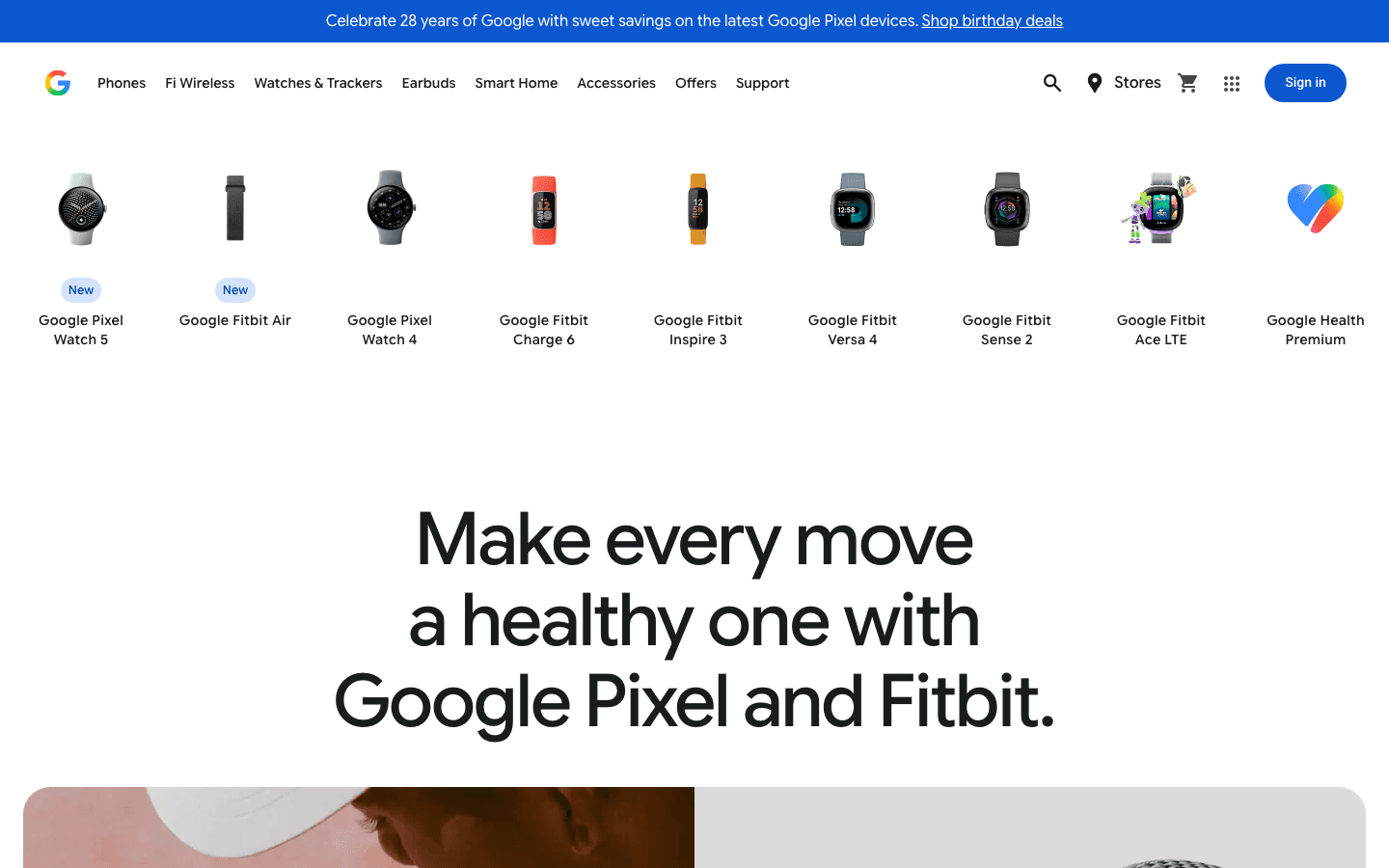
Google acquired Fitbit in 2021, and the product lineup has evolved since. The Charge 6 sits at the center of the range: touchscreen, built-in GPS, ECG, and integration with Google Maps and Wallet. The Inspire 3 is the entry-level pick for basic step and sleep tracking. The Sense 2 adds an EDA (electrodermal activity) sensor for stress monitoring.
Sleep tracking is one of Fitbit's genuine strengths. The platform has years of sleep-stage research behind it and its sleep scores are well-regarded among health data enthusiasts. The companion Google Health app is clean, and the historical data graphs are among the best in the market.
What Fitbit does not do well: third-party apps. The app selection is minimal compared to Apple Watch. You are getting a health tracker with a watch face, not a wrist computer. For many people, that is exactly what they want.
What Works
Battery life from 6 days (Sense 2) to 10 days (Inspire 3)
Works with Android and iPhone
Excellent passive sleep tracking with detailed stage breakdowns
ECG and SpO2 on Charge 6 and Sense 2
Strong historical fitness data in the Google Health app
Affordable entry point, especially Inspire 3
Limitations
Very limited third-party app store
No crash detection or emergency SOS
NFC payments only on Charge 6 via Google Wallet (not Sense 2 or Inspire 3)
Fitbit Premium ($9.99/month) is needed for advanced sleep and wellness insights
No standalone GPS on Inspire 3
Pricing: Inspire 3 from $99.95 | Charge 6 from $159.95 | Sense 2 from $249.95. Fitbit Premium: $9.99/month or $79.99/year (optional but unlocks full sleep and wellness features).
Best for: Android users, budget shoppers, fitness tracking beginners, and anyone who hates daily charging.
Apple Watch Overview
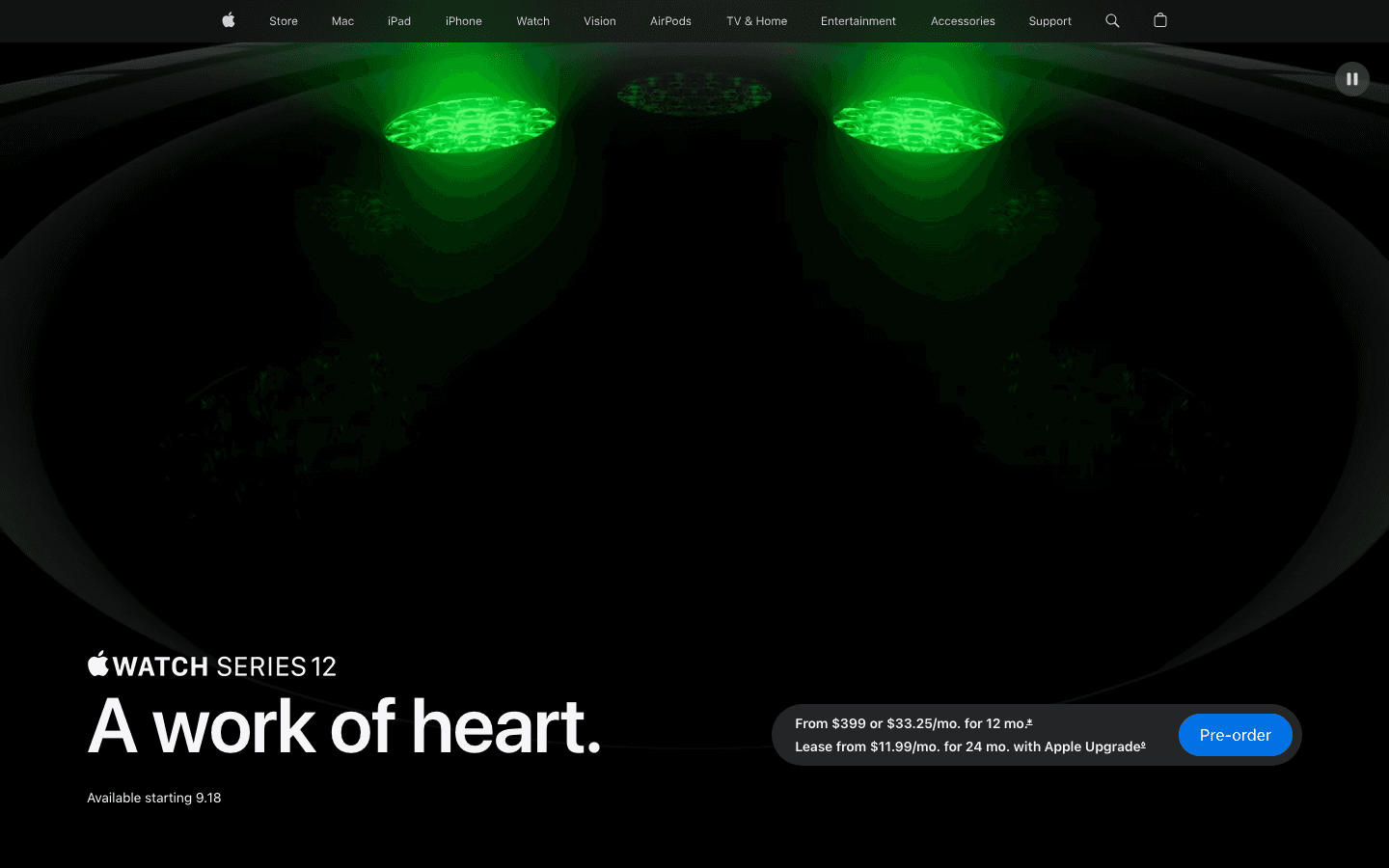
Apple Watch Series 12 starts at $399 and is the most capable health wearable Apple has made. It has an always-on display, blood oxygen, ECG, crash detection, fall detection, skin temperature, and blood pressure monitoring (new in Series 12). The Apple Watch SE 3 at $249 drops ECG and blood oxygen but keeps crash detection, emergency SOS, and Apple Pay. The Ultra 4 at $799 adds a titanium build, 72-hour battery, and a depth gauge for water sports.
The watchOS app store is massive. You can find the best Apple Watch apps for everything from interval training to guided meditation. Apple Watch is as much a productivity tool as it is a health device, and for iPhone users the integration with iMessage, Siri, Apple Pay, and third-party apps is genuinely useful day-to-day.
Battery life is the real tradeoff. Series 12 gets roughly 18 hours in normal use, stretching to 36 in low-power mode. Plan to charge it most nights. If that sounds like a non-starter, Fitbit wins on this point with no argument.
What Works
Rich health sensors: ECG, SpO2, skin temperature, blood pressure (Series 12)
Crash detection and emergency SOS (all models)
Massive watchOS app ecosystem
Deep integration with iPhone, Apple Health, and iCloud
Apple Pay and NFC
Siri on-wrist with natural language
Limitations
iPhone only, no Android support
18-hour typical battery (Series 12), daily charging required
Full-featured model starts at $399
No built-in EDA/stress sensor comparable to Fitbit Sense 2
Pricing: Apple Watch SE 3: $249 | Series 12: from $399 | Ultra 4: from $799. No required subscription.
Best for: iPhone users who want an all-in-one smartwatch, health data power users, and anyone who relies on third-party app integrations or Apple Pay.
Head-to-Head: Fitbit vs Apple Watch
Battery Life
Fitbit wins by a significant margin. The Charge 6 lasts up to 7 days; Inspire 3 goes up to 10. Apple Watch Series 12 runs about 18 hours normally, or up to 36 in low-power mode. If you travel often or dislike charging anxiety, Fitbit is the clear call here.
Sleep Tracking
Both platforms track sleep stages (light, deep, REM) and generate a nightly sleep score. Fitbit's sleep data is older and more established. Apple Watch sleep tracking improved significantly with watchOS 11, and the platform benefits from third-party apps like AutoSleep and Sleep Cycle. The Fitbit Sense 2 adds stress tracking via EDA sensor, which pairs well with sleep pattern analysis.
Fitbit HRV data is available in the app for recovery tracking. Apple Watch HRV accuracy has improved to a comparable level for most users. Either platform gives you usable recovery signals.
Health Sensors
Apple Watch Series 12 has the wider sensor set: ECG, blood oxygen, skin temperature, blood pressure, and crash detection. Fitbit Charge 6 matches on ECG and SpO2 but lacks crash detection. Sense 2 adds the EDA stress sensor, which Apple Watch does not have. Neither is a medical device, but the Apple Watch sensor coverage is broader.
App Ecosystem
Apple Watch is not close on this one. Thousands of watchOS apps exist across health, fitness, productivity, and payments. Fitbit's app selection is small and focused mostly on the core tracking features. If third-party integrations are important to you, pick Apple Watch.
Cross-Platform Compatibility
Fitbit works with both Android and iPhone. Apple Watch requires an iPhone to set up and function. If you are on Android, Fitbit (or Garmin, or Samsung Galaxy Watch) is your only path. This is the clearest decision filter of the whole comparison.
Price Comparison
Entry Fitbit (Inspire 3): $99.95 vs Entry Apple Watch (SE 3): $249
Mid-range Fitbit (Charge 6): $159.95 vs Mid-range Apple Watch (Series 12): $399
Fitbit has no subscription required to use; Premium is optional at $9.99/month
Apple Watch has no subscription requirement and no paid tier
Which Should You Choose?
Choose Fitbit if: you use Android, want 7-10 days of battery, prefer a focused health-tracking device, or are on a budget under $200
Choose Apple Watch Series 12 if: you have an iPhone, want the widest sensor coverage, use third-party apps, or rely on Apple Pay daily
Choose Apple Watch SE 3 if: you want Apple Watch without the premium price and can live without ECG and blood oxygen
Choose Fitbit Sense 2 if: stress monitoring via EDA and sleep quality are priorities at a mid-range price
Not sure yet? See our complete wearable comparison guide covering Apple Watch, Fitbit, Whoop, Oura, Garmin, and Ultrahuman
One gap both platforms share: they track your body but they do not help you act on the data. Lifestack integrates with your wearable health data and builds an energy-aware daily schedule around your actual energy peaks and dips. If you want your wearable data to do more than sit in a chart, it is worth a look.

Frequently Asked Questions
Is Fitbit or Apple Watch better for sleep tracking?
Both track sleep stages and generate a sleep score. Fitbit has a longer research history and a mature sleep dashboard. Apple Watch has caught up with watchOS 11 and benefits from third-party apps like AutoSleep. Either works well. See our guide to the best sleep tracking apps for a broader comparison.
Can I use a Fitbit with an iPhone?
Yes. Fitbit works with both Android and iPhone via the Google Health app on iOS. All core health and tracking features are available. The integration is not as deep as Apple Watch, but daily use is fine.
Does Apple Watch work with Android?
No. Apple Watch requires an iPhone to set up and to function. Android users should look at Fitbit, Garmin, or Samsung Galaxy Watch instead. This is the single biggest deciding factor for most buyers.
Is Fitbit worth buying in 2026?
Yes, if battery life and price are priorities. The Charge 6 and Sense 2 are still competitive health trackers and have solid sleep and heart rate tracking. The tradeoff is a limited app store and Google ecosystem dependency. For activity tracking, Fitbit holds up well against the competition at its price point.
How long does Apple Watch battery last?
Apple Watch Series 12 lasts about 18 hours in normal use, or up to 36 hours in low-power mode. Ultra 4 extends this to 72 hours. For comparison, Fitbit Charge 6 lasts up to 7 days. If battery anxiety is a factor, Fitbit is the better pick.
Do I need Fitbit Premium?
Fitbit Premium ($9.99/month or $79.99/year) unlocks advanced sleep analysis, daily readiness scores, and guided wellness programs. The free tier shows basic step, sleep, and heart rate data. Most users who track health seriously will find the free tier limiting within a few weeks.
Fitbit vs Apple Watch is one of the most common debates in fitness tech. Both track your steps, monitor your heart, and nudge you toward healthier habits. The similarities mostly end there.
Fitbit devices start under $100 and last up to ten days on a single charge. Apple Watch starts at $249 and most people charge it every night. Fitbit works with Android and iPhone. Apple Watch requires an iPhone. Pick the wrong one and you will resent the choice for years.
In this guide, we break down both platforms by health tracking, battery life, app ecosystem, and price. We compared the Fitbit Charge 6 and the Apple Watch Series 12 across the categories that actually matter to daily use.
One thing worth saying upfront: this is not just a hardware comparison. The apps, health features, and integrations surrounding these devices shape the experience as much as the device itself.
Key Takeaways
Fitbit wins on battery life (up to 10 days vs 18 hours for Apple Watch Series 12) and works on any phone
Apple Watch offers more advanced health sensors and a far larger app store, but requires an iPhone
Budget shoppers and Android users should start with Fitbit; iPhone users who want a full smartwatch should go Apple Watch
Quick Verdict
Fitbit: Best for Android users, budget-conscious buyers, and anyone who wants simple, reliable health tracking without daily charging
Apple Watch: Best for iPhone users who want a full-featured smartwatch with ECG, crash detection, a huge app store, and Apple Pay
Fitbit Overview
Google acquired Fitbit in 2021, and the product lineup has evolved since. The Charge 6 sits at the center of the range: touchscreen, built-in GPS, ECG, and integration with Google Maps and Wallet. The Inspire 3 is the entry-level pick for basic step and sleep tracking. The Sense 2 adds an EDA (electrodermal activity) sensor for stress monitoring.
Sleep tracking is one of Fitbit's genuine strengths. The platform has years of sleep-stage research behind it and its sleep scores are well-regarded among health data enthusiasts. The companion Google Health app is clean, and the historical data graphs are among the best in the market.
What Fitbit does not do well: third-party apps. The app selection is minimal compared to Apple Watch. You are getting a health tracker with a watch face, not a wrist computer. For many people, that is exactly what they want.
What Works
Battery life from 6 days (Sense 2) to 10 days (Inspire 3)
Works with Android and iPhone
Excellent passive sleep tracking with detailed stage breakdowns
ECG and SpO2 on Charge 6 and Sense 2
Strong historical fitness data in the Google Health app
Affordable entry point, especially Inspire 3
Limitations
Very limited third-party app store
No crash detection or emergency SOS
NFC payments only on Charge 6 via Google Wallet (not Sense 2 or Inspire 3)
Fitbit Premium ($9.99/month) is needed for advanced sleep and wellness insights
No standalone GPS on Inspire 3
Pricing: Inspire 3 from $99.95 | Charge 6 from $159.95 | Sense 2 from $249.95. Fitbit Premium: $9.99/month or $79.99/year (optional but unlocks full sleep and wellness features).
Best for: Android users, budget shoppers, fitness tracking beginners, and anyone who hates daily charging.
Apple Watch Overview
Apple Watch Series 12 starts at $399 and is the most capable health wearable Apple has made. It has an always-on display, blood oxygen, ECG, crash detection, fall detection, skin temperature, and blood pressure monitoring (new in Series 12). The Apple Watch SE 3 at $249 drops ECG and blood oxygen but keeps crash detection, emergency SOS, and Apple Pay. The Ultra 4 at $799 adds a titanium build, 72-hour battery, and a depth gauge for water sports.
The watchOS app store is massive. You can find the best Apple Watch apps for everything from interval training to guided meditation. Apple Watch is as much a productivity tool as it is a health device, and for iPhone users the integration with iMessage, Siri, Apple Pay, and third-party apps is genuinely useful day-to-day.
Battery life is the real tradeoff. Series 12 gets roughly 18 hours in normal use, stretching to 36 in low-power mode. Plan to charge it most nights. If that sounds like a non-starter, Fitbit wins on this point with no argument.
What Works
Rich health sensors: ECG, SpO2, skin temperature, blood pressure (Series 12)
Crash detection and emergency SOS (all models)
Massive watchOS app ecosystem
Deep integration with iPhone, Apple Health, and iCloud
Apple Pay and NFC
Siri on-wrist with natural language
Limitations
iPhone only, no Android support
18-hour typical battery (Series 12), daily charging required
Full-featured model starts at $399
No built-in EDA/stress sensor comparable to Fitbit Sense 2
Pricing: Apple Watch SE 3: $249 | Series 12: from $399 | Ultra 4: from $799. No required subscription.
Best for: iPhone users who want an all-in-one smartwatch, health data power users, and anyone who relies on third-party app integrations or Apple Pay.
Head-to-Head: Fitbit vs Apple Watch
Battery Life
Fitbit wins by a significant margin. The Charge 6 lasts up to 7 days; Inspire 3 goes up to 10. Apple Watch Series 12 runs about 18 hours normally, or up to 36 in low-power mode. If you travel often or dislike charging anxiety, Fitbit is the clear call here.
Sleep Tracking
Both platforms track sleep stages (light, deep, REM) and generate a nightly sleep score. Fitbit's sleep data is older and more established. Apple Watch sleep tracking improved significantly with watchOS 11, and the platform benefits from third-party apps like AutoSleep and Sleep Cycle. The Fitbit Sense 2 adds stress tracking via EDA sensor, which pairs well with sleep pattern analysis.
Fitbit HRV data is available in the app for recovery tracking. Apple Watch HRV accuracy has improved to a comparable level for most users. Either platform gives you usable recovery signals.
Health Sensors
Apple Watch Series 12 has the wider sensor set: ECG, blood oxygen, skin temperature, blood pressure, and crash detection. Fitbit Charge 6 matches on ECG and SpO2 but lacks crash detection. Sense 2 adds the EDA stress sensor, which Apple Watch does not have. Neither is a medical device, but the Apple Watch sensor coverage is broader.
App Ecosystem
Apple Watch is not close on this one. Thousands of watchOS apps exist across health, fitness, productivity, and payments. Fitbit's app selection is small and focused mostly on the core tracking features. If third-party integrations are important to you, pick Apple Watch.
Cross-Platform Compatibility
Fitbit works with both Android and iPhone. Apple Watch requires an iPhone to set up and function. If you are on Android, Fitbit (or Garmin, or Samsung Galaxy Watch) is your only path. This is the clearest decision filter of the whole comparison.
Price Comparison
Entry Fitbit (Inspire 3): $99.95 vs Entry Apple Watch (SE 3): $249
Mid-range Fitbit (Charge 6): $159.95 vs Mid-range Apple Watch (Series 12): $399
Fitbit has no subscription required to use; Premium is optional at $9.99/month
Apple Watch has no subscription requirement and no paid tier
Which Should You Choose?
Choose Fitbit if: you use Android, want 7-10 days of battery, prefer a focused health-tracking device, or are on a budget under $200
Choose Apple Watch Series 12 if: you have an iPhone, want the widest sensor coverage, use third-party apps, or rely on Apple Pay daily
Choose Apple Watch SE 3 if: you want Apple Watch without the premium price and can live without ECG and blood oxygen
Choose Fitbit Sense 2 if: stress monitoring via EDA and sleep quality are priorities at a mid-range price
Not sure yet? See our complete wearable comparison guide covering Apple Watch, Fitbit, Whoop, Oura, Garmin, and Ultrahuman
One gap both platforms share: they track your body but they do not help you act on the data. Lifestack integrates with your wearable health data and builds an energy-aware daily schedule around your actual energy peaks and dips. If you want your wearable data to do more than sit in a chart, it is worth a look.
Frequently Asked Questions
Is Fitbit or Apple Watch better for sleep tracking?
Both track sleep stages and generate a sleep score. Fitbit has a longer research history and a mature sleep dashboard. Apple Watch has caught up with watchOS 11 and benefits from third-party apps like AutoSleep. Either works well. See our guide to the best sleep tracking apps for a broader comparison.
Can I use a Fitbit with an iPhone?
Yes. Fitbit works with both Android and iPhone via the Google Health app on iOS. All core health and tracking features are available. The integration is not as deep as Apple Watch, but daily use is fine.
Does Apple Watch work with Android?
No. Apple Watch requires an iPhone to set up and to function. Android users should look at Fitbit, Garmin, or Samsung Galaxy Watch instead. This is the single biggest deciding factor for most buyers.
Is Fitbit worth buying in 2026?
Yes, if battery life and price are priorities. The Charge 6 and Sense 2 are still competitive health trackers and have solid sleep and heart rate tracking. The tradeoff is a limited app store and Google ecosystem dependency. For activity tracking, Fitbit holds up well against the competition at its price point.
How long does Apple Watch battery last?
Apple Watch Series 12 lasts about 18 hours in normal use, or up to 36 hours in low-power mode. Ultra 4 extends this to 72 hours. For comparison, Fitbit Charge 6 lasts up to 7 days. If battery anxiety is a factor, Fitbit is the better pick.
Do I need Fitbit Premium?
Fitbit Premium ($9.99/month or $79.99/year) unlocks advanced sleep analysis, daily readiness scores, and guided wellness programs. The free tier shows basic step, sleep, and heart rate data. Most users who track health seriously will find the free tier limiting within a few weeks.



FOLLOW ON
FOLLOW ON
FOLLOW ON


Copyright 2026 © Lifestack. All rights reserved
Copyright 2026 © Lifestack. All rights reserved

